
Social Expectations: 7 Powerful Truths You Must Know Now
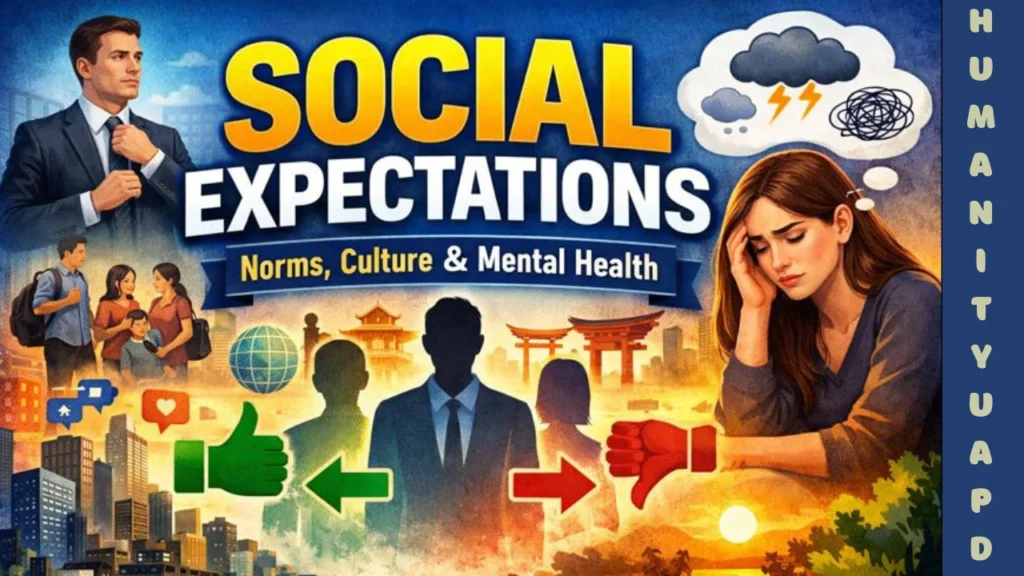
Social Expectations
Social expectations refer to the informal rules and standards that govern behavior within a society or community. They emerge from a complex interplay of societal norms, cultural influences, and psychological factors. These expectations can significantly shape individuals’ behaviors and interpersonal interactions, often guiding what is considered appropriate or acceptable in various contexts.
At the core of social expectations are societal norms, which serve as the foundation for collective understanding within a given culture. These norms are transmitted through various channels, including family, education, and media, shaping how individuals perceive their roles in society. For instance, the expected behavior in professional settings often requires a degree of formality, while social gatherings may encourage more relaxed and informal interactions. Thus, understanding the underlying norms helps in comprehending how individuals navigate their social environments.
Cultural influences also play a significant role in shaping social expectations. Different cultures possess unique values and traditions that dictate acceptable behavior, often leading to variations in social expectations across regions and communities. For instance, cultures that emphasize collectivism may have stronger expectations regarding group harmony and cooperation, while those valuing individualism might prioritize personal autonomy and self-expression.
Psychological factors, such as conformity and social approval, further reinforce social expectations. Individuals may feel motivated to align their behaviors with societal standards to gain acceptance or avoid rejection. This psychological drive can lead to conformity, where individuals modify their behavior to fit in with social groups, highlighting the dynamic relationship between social expectations and individual identity.
In summary, social expectations are crucial in shaping our behaviors and interactions by establishing a framework based on norms, cultural context, and psychological influences. Understanding these constructs provides a deeper insight into human behavior and the complexities of our social environments.
👉 Table of Contents 👇
The Psychological Basis of Social Expectations
Social expectations are deeply rooted in various psychological theories that help explain why individuals feel compelled to conform to them. A pivotal concept in understanding this behavior is conformity. Conformity refers to adjusting one’s behaviors, attitudes, or beliefs to align with those of a group or social norm. This process occurs as individuals desire acceptance and approval from others, especially in situations where societal expectations are well-defined.
Another significant factor contributing to adherence to social expectations is the presence of social norms. Social norms are the unwritten rules that govern behavior in a given society, dictating what is considered acceptable or unacceptable. These norms can vary widely between cultures and situations, shaping individuals’ behaviors subconsciously. When individuals violate these norms, they often experience social sanctions, which further reinforces adherence to established expectations.
Peer pressure is also influential in determining behavior. Young individuals, in particular, can be greatly affected by the desire to fit in or be accepted by their peers. This phenomenon can lead to compliance with group behaviors or attitudes, even if they contradict personal beliefs. The fear of social exclusion can incentivize individuals to conform to the prevailing expectations within their social groups.
Furthermore, psychological mechanisms such as cognitive dissonance and social comparison theory further elucidate our behavior in relation to social expectations. Cognitive dissonance occurs when there is a discrepancy between an individual’s beliefs and actions, causing mental discomfort that typically prompts a change to restore harmony. Social comparison theory, on the other hand, posits that individuals determine their self-worth by comparing themselves to others, leading to adjustments in behavior to match perceived standards of social acceptability.
Together, these theories provide a comprehensive understanding of why individuals adhere to social expectations. By examining conformity, social norms, and the influences of peer pressure, we gain insight into the complex interplay of psychological factors that drive our behavior in social contexts.

Cultural Variations in Social Expectations
Social expectations play a pivotal role in shaping individual behavior and interactions within any given society. However, these expectations can vary significantly across different cultures, influenced by historical, social, and environmental factors. Understanding these cultural variations can offer insight into how individuals act and react in various social situations.
For instance, in many Western cultures, such as the United States, individualism is emphasized over collectivism. Here, social expectations often prioritize personal achievements and self-reliance. People are encouraged to express their opinions and assert themselves, leading to a society that values direct communication and personal boundaries. In contrast, in collectivist societies, such as Japan, social expectations lean towards harmony and group cohesion. Individuals are often expected to prioritize group goals over personal ambitions, which fosters a more indirect communication style and a great emphasis on social hierarchy and respect.
Another example of cultural differences in social expectations can be seen in attitudes toward elders. In many Western societies, aging is often associated with decline, and there may be a tendency to place elders in care homes. Conversely, in many Asian cultures, respecting and caring for elders is a deep-seated value. Here, social expectations dictate that families maintain close relationships with older generations, often inviting them to live with them, thereby honoring their wisdom and life experience.
These examples illustrate that cultural backgrounds distinctly shape individuals’ behavior and social roles. Recognizing these differences is vital for fostering understanding and collaboration in our increasingly globalized world. As societies continue to interact, the influence of diverse social expectations will further become apparent, calling for adaptation and mutual respect to navigate these complexities effectively.
The Role of Socialization in Shaping Expectations
Socialization is a fundamental process through which individuals learn and internalize the values, norms, and expectations of their society. This lifelong journey begins in childhood and continues through adulthood, heavily influencing behavior and social roles. The initial stage of socialization occurs within the family unit, where primary caregivers provide the first frameworks of social expectations. For instance, children learn about sharing, respect, and discipline from their parents and siblings, establishing the early foundation for how they will interact with others.
As individuals progress to school age, the influence of educational institutions becomes significant. Schools not only impart academic knowledge but also serve as environments for social learning. Here, young individuals encounter a diverse peer group that further shapes social expectations through collective interaction. Norms around cooperation, competition, and self-regulation emerge, illustrating the complex interplay of individual identity formation and societal expectations.
Additionally, media plays a crucial role in shaping social expectations. From television shows to online platforms, media exposes individuals to a range of social narratives and ideals. For example, portrayals of success, beauty, and relationships in media often set standards that individuals may feel pressured to meet. This exposure can lead to a collective understanding of acceptable behavior and lifestyle choices, reinforcing certain expectations across different demographics.
Peer groups also function as a powerful socializing force, particularly during adolescence. Friends and social circles often dictate norms of behavior, influencing choices in fashion, language, and attitudes. The desire for acceptance can lead individuals to adopt behaviors that align with their peers, thereby reinforcing societal expectations.
In summary, the process of socialization is multifaceted, involving family, education, media, and peer groups, all of which contribute to the development and enforcement of social expectations throughout an individual’s life.
The Impact of Social Expectations on Mental Health
Social expectations are deeply embedded in our societal fabric, influencing the way individuals perceive themselves and their roles within various contexts. These expectations, often dictated by cultural norms, can have profound effects on mental health. When individuals strive to adhere to societal standards, they may experience stress and anxiety, stemming from the pressure to conform.
The pursuit of meeting these expectations can lead to a constant state of comparison with others, often exacerbating feelings of inadequacy and low self-esteem. For instance, societal norms surrounding career success, physical appearance, and interpersonal relationships can create a burdensome weight on individuals who feel they must measure up to these ideals. As a result, failure to meet these expectations can trigger negative emotional responses, including feelings of depression or hopelessness.
Moreover, the burden of social expectations can lead to maladaptive coping strategies, such as withdrawal from social interactions or resorting to unhealthy behaviors. Individuals may find it difficult to navigate the complexities of social interactions, worrying constantly about how they are perceived and the judgments that may follow. This ongoing fear of not meeting expectations can spiral into chronic anxiety, impacting not only mental health but also overall quality of life.
Conversely, some individuals may adopt more positive coping mechanisms, such as seeking social support or engaging in self-reflection and mindfulness practices. Recognizing and understanding the impact of social expectations plays a crucial role in developing healthier coping strategies. By acknowledging the unrealistic nature of some societal standards, individuals can cultivate resilience and prioritize their mental well-being over the pressure to conform.
The Future of Social Expectations: Trends and Predictions
The landscape of social expectations is continually evolving, influenced by a myriad of factors including globalization, technological advancements, and shifting societal values. As we look ahead, several key trends are likely to shape the fabric of our social interactions and norms.
One of the most significant emerging trends is the increased acceptance of diversity. As societies become more interconnected through globalization, the interaction among different cultures and belief systems is fostering an environment that values varied perspectives. This shift is reflected in the growing representation of diverse identities in media, the workplace, and community life, encouraging individuals to embrace differences and promoting inclusivity.
Moreover, there is a notable transformation in gender roles and expectations. The traditional frameworks around masculinity and femininity are being challenged, leading to a fluidity in roles historically defined by society. As more women enter leadership positions and men engage in caregiving roles, there is a movement towards equality in both professional and personal spheres. This redefinition of gender roles will likely continue to influence social expectations, allowing for an acceptance of non-binary identities and various expressions of gender.
Additionally, the profound impact of social media cannot be overlooked. Platforms that facilitate the rapid dissemination of ideas and experiences play a pivotal role in shaping new norms. Social media serves as a powerful tool for advocacy and awareness, influencing perceptions and behavioral expectations in ways that were unprecedented in previous generations. Changes in social expectations driven by online communities can lead to activism and a communal sense of responsibility towards critical social issues.
Overall, the future of social expectations appears to be on a path of increased inclusivity and flexibility, driven by a collective desire to adapt to a more interconnected and evolving world. These trends suggest a potential reimagining of societal norms, fostering a culture that prioritizes respect for individual identities and collaborative progress.

Addressing FAQs About Social Expectations
Social expectations refer to the unwritten rules and norms that govern behavior in various contexts. These expectations are influenced by culture, societal values, and individual experiences. Below are some frequently asked questions concerning social expectations, accompanied by comprehensive answers based on scientific studies and literature.
What are social expectations?
Social expectations are the behaviors that society anticipates from individuals in specific situations. These can include how people should act in public spaces, social settings, or in response to various stimuli. Research indicates that these expectations significantly shape interpersonal interactions and community dynamics.
How do social expectations impact behavior?
Social expectations profoundly affect behavior by providing a framework for understanding acceptable conduct. Individuals often conform to these expectations to gain acceptance and avoid social sanctions. Studies have shown that failure to adhere to these norms leads to social disapproval and can result in exclusion from groups or communities.
Are social expectations the same across different cultures?
No, social expectations vary across cultures. What is considered polite or acceptable behavior in one culture may be inappropriate in another. For example, maintaining eye contact is viewed positively in some cultures, while in others, it may be seen as disrespectful. Cross-cultural studies emphasize the importance of understanding these differences to foster effective communication and intercultural relationships.
Can social expectations change over time?
Yes, social expectations can evolve. Changes in societal attitudes or advancements in technology can alter norms. For instance, the rise of social media has transformed expectations regarding communication and personal privacy. Research has tracked these changes, highlighting how shifts in societal values influence contemporary norms.
Why do people feel pressure to behave a certain way?
People feel pressure to behave in certain ways due to shared norms, learned behavior, and the desire for acceptance. From early life, individuals observe how others act and receive feedback—approval or disapproval—which shapes future actions. This pressure helps maintain order in communities but can also limit personal expression if taken to extremes.
How do unwritten rules influence daily life?
Unwritten rules guide everyday interactions such as communication style, body language, workplace conduct, and manners. These guidelines help people understand what is appropriate in different situations, reducing confusion and conflict. Even though they are rarely stated openly, they strongly influence decision-making and social harmony.
Why do people follow group behavior even when they disagree?
People often align with group behavior to avoid rejection, conflict, or isolation. Psychological research shows that belonging is a basic human need, and individuals may suppress personal opinions to maintain group acceptance. This tendency is especially strong in close-knit communities or high-pressure environments.
How can individuals handle societal pressure in a healthy way?
Handling societal pressure in a healthy way involves self-awareness, setting personal boundaries, and critical thinking. By questioning whether certain norms align with personal values, individuals can make conscious choices rather than reacting automatically. Support systems, mindfulness, and open dialogue also help maintain emotional balance.
By addressing these frequently asked questions, we can deepen our understanding of social expectations, revealing their complexities and the significant role they play in shaping human behavior.
Conclusion: The Importance of Understanding Social Expectations
Throughout this discussion, we have explored the fundamental nature of social expectations and their impact on individual behavior and societal structures. Social expectations, often unspoken rules that govern our interactions, play a crucial role in shaping how we navigate social environments. By acknowledging these expectations, individuals can better understand their own behaviors and the behaviors of others within their communities.
The effects of social expectations are multifaceted, influencing everything from personal relationships to broader societal norms. When individuals are aware of these implicit guidelines, they can engage in more empathetic and constructive interactions. This awareness can foster a sense of community and improve interpersonal relationships, as individuals learn to navigate the complexities of their social spheres. Moreover, recognizing social expectations can empower individuals to challenge negative norms and advocate for positive change.
Moreover, reflecting on our personal experiences with social expectations can lead to meaningful insights. Many people encounter moments where they have conformed to expectations that clash with their values or beliefs. By examining these instances, we can identify areas where our social norms may require adjustment. This self-reflection encourages a more critical understanding of societal dynamics and fosters an environment where positive norms can thrive.
As we conclude, it is imperative that each of us considers the significance of social expectations within our lives. By engaging with these concepts, we can contribute to a society that embraces inclusivity and understanding, thereby promoting healthier social interactions. Taking a proactive stance in examining and reshaping expectations ultimately leads to the cultivation of more harmonious communities.

Share this:

Discover more from HUMANITYUAPD
Subscribe to get the latest posts sent to your email.