
Which aspects do you think makes a person unique? Big 2026
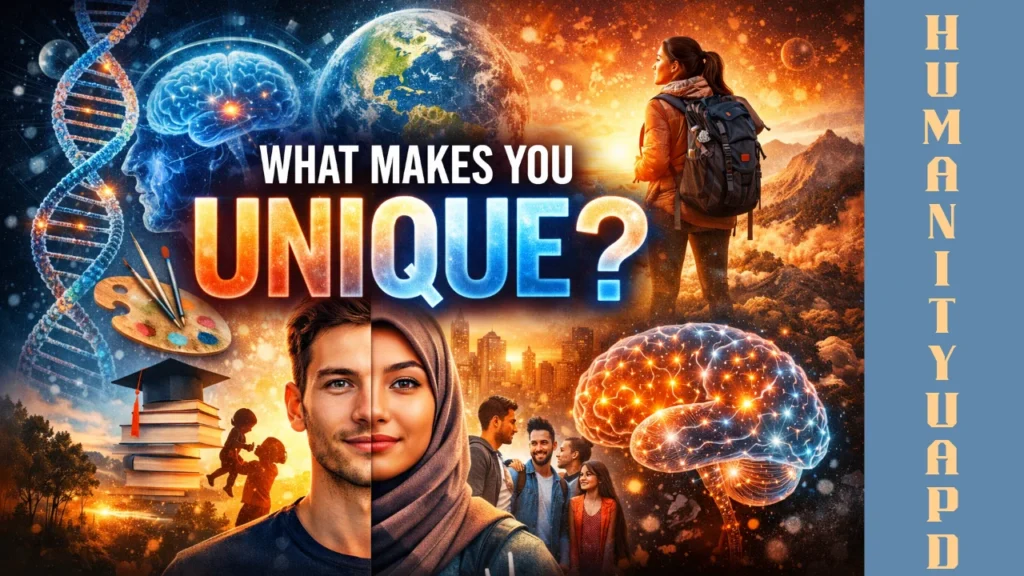
Which aspects do you think makes a person unique?
The concept of uniqueness refers to the distinct characteristics that set an individual apart from others. This notion has garnered significant interest across various scientific disciplines, as researchers seek to unravel the complex tapestry of factors that contribute to an individual’s distinct identity. Psychology, genetics, and neuroscience are key fields that illuminate the multifaceted nature of human uniqueness.
In psychology, the study of personality traits has been instrumental in understanding how individual differences are formed. Personality theories, such as the Big Five model, help to categorize traits that influence behavior, emotions, and thoughts, illustrating how each person can express these traits in unique ways. Furthermore, cultural psychology emphasizes the role of cultural contexts in shaping individual behaviors and beliefs, suggesting that one’s environment significantly contributes to the uniqueness of a person.
Genetics also plays an essential role in defining individuality. Recent advancements in genetics reveal how hereditary factors influence personality, intelligence, and even predispositions toward certain behaviors or disorders. Moreover, the study of epigenetics has brought forth the understanding that environmental factors can affect gene expression, leading to significant differences among individuals, even among those with similar genetic backgrounds.
Neuroscience adds another dimension by examining the brain’s structure and functionality as a foundation for individual differences. Brain imaging technologies allow scientists to explore how variations in neural pathways and brain regions correlate with diverse cognitive abilities and emotional responses. Ultimately, these scientific insights provide a deeper comprehension of what makes each person unique.
👉 Table of Contents 👇
Genetic Influences on Individuality
The uniqueness of each individual can be significantly attributed to genetic influences. Genetic makeup plays a crucial role in determining various characteristics, including physical traits, personality traits, and even certain behavioral tendencies. Geneticists have made substantial efforts to understand how DNA sequences can explain the differences between individuals. Twin studies, in particular, have been pivotal in unraveling the contributions of genetics to individuality.
Twin studies involve comparing identical twins, who share 100% of their genetic material, with fraternal twins, who share approximately 50% of their genes. Research consistently shows that identical twins often exhibit remarkable similarities in traits such as intelligence, temperament, and susceptibility to certain diseases, underlining the heritability of these characteristics. For example, studies have indicated that heritability estimates for personality traits range from 30% to 50%, suggesting that genetics considerably influence personal dispositions.
Moreover, while genetic predispositions lay the foundation for many traits, it is essential to recognize the role of environmental factors in shaping individuality. Genes interact with external influences, such as culture, upbringing, and life experiences, in a complex manner. This intricate dance between genetic inheritance and environment is sometimes referred to as gene-environment interaction. For instance, even if an individual possesses a genetic disposition for a particular trait, the manifestation of that trait may depend largely on environmental circumstances that either enhance or mitigate its expression. This interplay has significant implications for understanding behaviors and preferences, further contributing to each person’s distinct identity.
In conclusion, genetic influences are fundamental to the individuality of a person, governing a wide array of traits and predispositions. However, these genetic factors do not operate in isolation; their interaction with the environment ultimately shapes the unique characteristics that define each person.
The environment plays a critical role in shaping an individual’s identity and overall uniqueness. This encompasses various factors including culture, upbringing, educational experiences, and social interactions that collectively influence personality and behavior. Each of these elements contributes significantly to how a person perceives themselves and interacts with the world around them.
Cultural background can profoundly affect values, beliefs, and behaviors. For instance, individuals raised in collectivist cultures tend to prioritize community and family, which may lead to behaviors that favor group harmony over individual expression. In contrast, those from individualistic societies might emphasize autonomy and self-promotion. Such cultural distinctions effectively illustrate how environmental contexts can mold different identity traits.
Furthermore, upbringing and family dynamics significantly shape a person’s identity. A nurturing environment where emotional support is abundant can lead to higher self-esteem and resilience, while a turbulent home may cultivate traits such as anxiety or distrust. For example, children raised in stable households often develop strong social skills and the ability to engage positively with peers, whereas those facing instability may struggle with interpersonal relationships and coping mechanisms.
Education systems also contribute to shaping identity through exposure to diverse perspectives and critical thinking skills. Schools not only impart knowledge but also facilitate social development. A student in an inclusive learning environment is likely to appreciate diversity and develop empathy, impacting their future interactions and choices.
The significance of social interactions cannot be underestimated either. Friendships and peer relationships serve as mirrors for self-reflection, influencing behaviors and self-image. Positive interactions tend to foster confidence, while negative experiences can severely impact one’s sense of worth.
In conclusion, the interplay of environmental factors is integral to understanding individuality. The nuanced ways in which culture, upbringing, education, and social engagements affect identity highlight the rich tapestry of influences that contribute to what makes each person unique.

Psychological Factors that Define Uniqueness
Uniqueness in individuals can be attributed to various psychological factors, primarily personality traits, cognitive styles, and emotional intelligence. Understanding these components sheds light on how they contribute to the distinctiveness of each person.
Personality traits are often assessed through established theories, with two of the most recognized being the Big Five Personality Traits and the Myers-Briggs Type Indicator (MBTI). The Big Five, which includes Openness, Conscientiousness, Extraversion, Agreeableness, and Neuroticism, offers a broad framework for understanding an individual’s behaviors and preferences. For instance, someone high in openness may have a greater propensity for creativity and exploring new experiences, whereas an individual with high conscientiousness might exhibit a structured approach to tasks and responsibilities.
Conversely, the Myers-Briggs framework categorizes individuals into sixteen distinct personality types based on four dichotomies: Introversion vs. Extraversion, Sensing vs. Intuition, Thinking vs. Feeling, and Judging vs. Perceiving. This theory not only outlines how people interact with their surroundings but also provides insight into their decision-making processes and social preferences, further emphasizing the complexities of individual uniqueness.
Cognitive styles—how individuals think, learn, and solve problems—are integral to one’s uniqueness as well. These styles can differ widely, with some people favoring analytical approaches while others may rely more on intuitive reasoning. This variation impacts how individuals engage with information and navigate their environments.
Lastly, emotional intelligence plays a crucial role in defining uniqueness. Individuals with high emotional intelligence often demonstrate a keen awareness of their own emotions and those of others. This capacity allows for better interpersonal relationships and enhances one’s ability to adapt to social contexts, thereby contributing to a unique personal narrative.
Life Experiences and Personal Development
Life experiences play a pivotal role in shaping an individual’s identity, significantly contributing to what makes a person unique. Each person navigates through varying challenges and triumphs, which together define their character and outlook on life. These experiences encompass a wide range of events and interactions, from childhood upbringing and educational pursuits to personal relationships and professional endeavors. As individuals encounter obstacles, they often develop resilience—a crucial attribute that not only aids in overcoming difficulties but also fosters a deeper understanding of oneself and others.
For instance, facing a significant setback may lead a person to discover new strengths and coping mechanisms, ultimately enhancing their self-awareness. This journey of adaptation and personal growth is essential in defining human uniqueness. Resilience is not merely about bouncing back from adversity; it involves learning from the experience, reflecting on it, and implementing changes that positively impact future decisions. Therefore, the ability to adapt to circumstances and use them as a ladder for personal development is a fundamental component of individual identities.
Moreover, the triumphs one experiences contribute equally to personal uniqueness. Moments of success, whether minor or significant, instill confidence and motivate individuals to strive for further accomplishments. Such positive experiences can lead to the cultivation of skills, sociability, and other traits that differentiate individuals from one another. Overall, the interplay between challenges and achievements shapes not only a person’s character and worldview but also sets the stage for continuous personal development. The culmination of these experiences cultivates a rich tapestry of individuality, where each person stands apart through their unique narratives of growth and resilience.
Cultural Diversity and Its Impact
Cultural diversity plays a significant role in shaping individual differences, self-perception, and value systems. As individuals are raised within various cultural frameworks, their experiences, beliefs, and behaviors are profoundly influenced by the customs and norms of their society. This diversity leads to a rich tapestry of unique traits, which are often the result of ingrained cultural practices and values that vary widely across different populations.
The concept of self is closely tied to cultural background. In collectivist cultures, for instance, the self is often viewed in relation to the community and social groups, promoting behaviors that favor group harmony and interdependence. Conversely, in individualistic cultures, personal autonomy and individual achievements are prioritized, fostering a sense of self-reliance and distinctiveness. Such cultural contexts significantly influence not only how individuals perceive themselves but also how they interact with others.
Value systems are also shaped by cultural backgrounds, dictating what is considered appropriate behavior and guiding moral outlooks. For example, cultures that emphasize respect for elders may prioritize familial obligations over personal ambitions, thereby molding unique behavioral traits in individuals that align with these values. These variations underscore the importance of understanding cultural context when examining what makes a person unique.
Furthermore, cultural diversity contributes to varying perspectives on identity and expression. People from different cultural backgrounds may approach problem-solving, communication, and even emotional expressions in distinct ways, reflecting the unique inputs of their respective cultures. This richness in perspectives fosters empathy and broadens worldviews when individuals engage with one another across cultural divides.
Neuroscience: The Brain and Individual Differences
The field of neuroscience offers profound insights into how the structure and function of the brain contribute to the uniqueness of individuals. Each person’s brain is distinct, shaped by a combination of genetics and environmental experiences. Factors such as brain size, the organization of neural circuits, and the density of synapses can all vary significantly between individuals, influencing how they think, feel, and behave.
Neuroplasticity, the brain’s ability to reorganize itself by forming new neural connections throughout life, plays a crucial role in human individuality. Life experiences—such as learning new skills, coping with trauma, or engaging in social interactions—can lead to changes in brain structure and function. This adaptability not only underscores the dynamic nature of the brain but also highlights how personal experiences can define a unique cognitive repertoire. For example, a person who engages extensively in musical training may develop enhanced auditory processing areas in the brain, setting them apart from those with less exposure to music.
Moreover, brain chemistry significantly influences individuality. Neurotransmitters, which are chemicals that transmit signals across synapses, can affect mood, behavior, and personality traits. Variations in levels of neurotransmitters such as serotonin, dopamine, and norepinephrine can lead to differences in emotional responses, motivation, and leisure interests. Understanding the biochemical basis of these differences can provide insights into why individuals may respond differently to similar situations.
Additionally, neurological disorders can further contribute to individual differences. Conditions such as autism spectrum disorder, attention deficit hyperactivity disorder (ADHD), and schizophrenia exemplify how variations in brain function can lead to distinct cognitive and behavioral characteristics. These disorders not only affect the affected individuals’ daily functioning but also influence their interactions with others, adding another layer to the complexities of human uniqueness.

The Societal Dimension of Uniqueness
Understanding the uniqueness of individuals requires an examination of various societal factors such as roles, norms, and expectations. These elements significantly influence how personal identity is expressed and perceived in different cultural contexts. Social roles often dictate appropriate behavior and personal expression, guiding individuals in navigating their identities within particular frameworks. For instance, in many societies, gender roles shape how people present themselves, creating a spectrum of individuality that is often constrained by prevailing norms.
Societal norms serve as guidelines that inform what is deemed acceptable behavior and what constitutes individuality. When norms evolve, they can enhance the expression of uniqueness by broadening the behaviors considered socially acceptable. For instance, shifts in workplace dynamics, such as the growing emphasis on diversity and inclusion, allow for more varied expressions of individuality among employees. This cultural transition promotes an environment where personal uniqueness is acknowledged rather than suppressed, contributing to a richer social fabric.
Social identity theory furthers our understanding of how societal factors interact with personal uniqueness. This theory posits that individuals derive part of their self-concept from their membership in various social groups, including those defined by occupation, ethnicity, or other affiliations. Membership in these groups can create a duality; it fosters a sense of belonging while also influencing how individual identities are constructed. For example, a person may identify strongly with a particular cultural heritage yet express their uniqueness through personal choices, such as style, beliefs, or opinions, which may not always align with group norms.
Thus, while societal factors shape how uniqueness is articulated, they also emphasize the importance of individual agency in expressing one’s unique traits within the constraints of societal structures. The interplay between social identity and personal identity is nuanced and complex, revealing diverse pathways through which people navigate their unique selves within the broader social landscape.
FAQs – Which aspects do you think makes a person unique?
Uniqueness, often misunderstood, relates to several key factors that contribute to an individual’s distinct identity. Here we address some of the most common questions surrounding this intricate concept.
What factors contribute to a person’s uniqueness?
Uniqueness is shaped by an amalgamation of biological, environmental, and experiential elements. Genetics play a crucial role in determining personality traits, cognitive abilities, and even physical characteristics. Environmental influences, such as culture, upbringing, and life experiences, further mold individuals into distinct beings. Additionally, the combination of choices people make throughout their lives creates a personal narrative that enhances their uniqueness.
Are we all truly unique?
The idea of uniqueness resonates universally, yet the extent varies among individuals. While all humans share biological and psychological traits, personal experiences differentiate each person. Social, emotional, and cognitive dimensions create layers of individuality, making the concept of uniqueness both universal and deeply personal.
How does society perceive uniqueness?
Society often celebrates uniqueness as a vital asset, fostering creativity and innovation. However, misconceptions can arise when societies favor conformity over individuality. It’s essential to recognize that deviations from norms are not merely anomalies; they enrich the cultural fabric and contribute to diverse perspectives. Acknowledging such differences can lead to more inclusive communities.
Can a person’s uniqueness change over time?
Yes, an individual’s uniqueness can evolve throughout their life. As people grow and adapt to new environments, their personality and perspectives may shift. Major life events, personal relationships, and new experiences can significantly impact one’s identity, allowing for continual growth and modification of what makes a person unique.
This section highlights that the understanding of uniqueness is multifaceted, influenced by a myriad of factors, and often shaped over time. Engaging with these questions ensures a deeper comprehension of individuality within both personal and societal contexts.



Share this:

Discover more from HUMANITYUAPD
Subscribe to get the latest posts sent to your email.