
7 Powerful Habit Formation Tips to Change Life
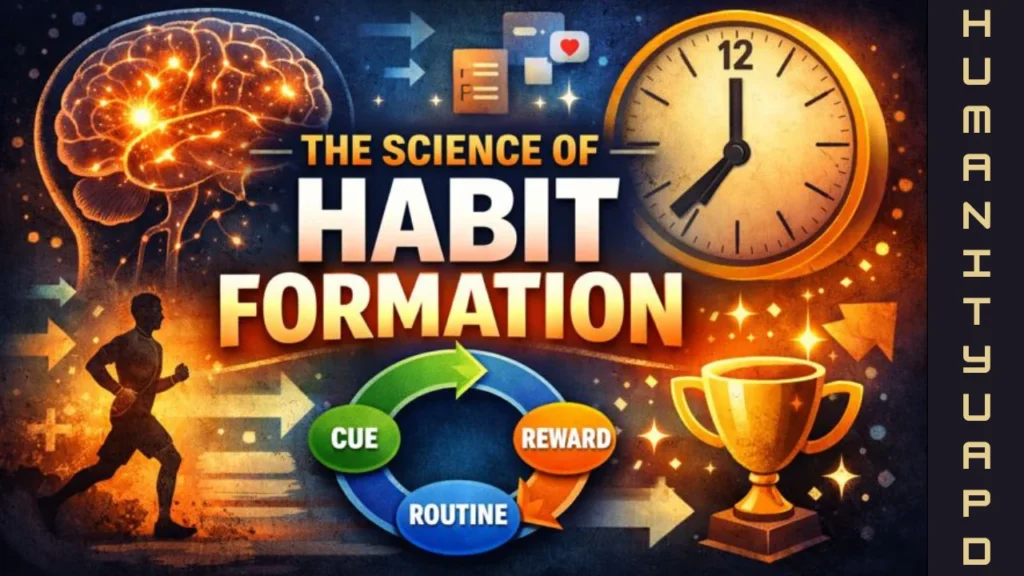
Habit Formation: How Habits Shape Behavior and How to Change Them
Habits are a fundamental aspect of human behavior, playing a crucial role in our daily lives and decision-making processes. Generally defined as automatic responses to specific cues, habits comprise a significant portion of our routines, often operating beneath our conscious awareness. The formation of habits occurs through a repetitive process involving three primary components: the cue, the routine, and the reward. This cycle, commonly referred to as the habit loop, highlights the interplay between our environments, actions, and the satisfaction we derive from them.
Understanding habit formation requires a closer look at the neurological and psychological mechanisms that drive this behavior. Neuroscientifically, habits are ingrained in the brain’s basal ganglia, a region associated with the development of emotions, memories, and patterns of behavior. When an action becomes a habit, the brain processes it more efficiently, allowing for seamless execution with minimal cognitive effort. This is essential, as it frees up mental resources for other tasks.
Psychologically, the formation of habits is influenced by reinforcement and motivation. Positive reinforcement—whereby a behavior is followed by a rewarding outcome—tends to strengthen the neural pathways associated with that habit. In contrast, negative experiences or outcomes can diminish one’s propensity to repeat a behavior, making the understanding of reinforcement crucial in breaking or establishing habits. Importantly, habits serve as mental shortcuts, which can enhance our productivity and efficiency but may also lead to unproductive or damaging behaviors if left unexamined.
Given their pervasive impact on our lives, cultivating constructive habits is essential for personal development and well-being. The upcoming sections will delve deeper into the science of what constitutes a habit, exploring various influences on habit formation, and offering insights into strategies for fostering positive changes in behavior.
➡️ Table of Contents ⬇️
The Anatomy of a Habit
At the core of understanding habit formation lies the habit loop, a model that consists of three integral components: cue, routine, and reward. This loop serves as the foundational structure from which habits emerge, dictating how behaviors become automatic over time and influencing our daily lives.
The first element, the cue, acts as a trigger that initiates the habit loop. Cues can be external, such as a specific time of day or a social environment, or internal, such as emotions or physical sensations. Identifying triggers is crucial, as they set the stage for the habitual behavior that follows.
Next, we encounter the routine, which represents the actual behavior or action taken in response to the cue. The routine can vary significantly in complexity, from simple actions like reaching for a glass of water to more complex sequences such as exercising or engaging in a detailed work task. The brain works to encode these actions through repetition, solidifying the behavior as part of a person’s routine.
Finally, the reward serves as a reinforcing element that helps to establish the habit. Rewards can be tangible, such as a treat after exercising, or intangible, such as a sense of achievement. The anticipation of a reward reinforces the neural pathways involved, making it more likely for a person to repeat the behavior in the future when the same cue presents itself.
This entire process occurs in the brain, primarily involving structures such as the basal ganglia, which plays a key role in habit formation and decision-making. Understanding this anatomy of a habit enables individuals to modify behaviors intentionally, leveraging the components of the habit loop to create more desirable routines and rewards for lasting change.
The Science of Changing Habits
Understanding how to change habits is a multifaceted endeavor rooted in behavioral psychology. Research indicates that habits form through a consistent cycle of cue, routine, and reward, commonly referred to as the habit loop. To effectively alter habits, one must disrupt this cycle or replace undesirable routines with healthier alternatives. This concept is supported by the findings of psychologist B.F. Skinner, whose principles of operant conditioning suggest that reinforcement plays a crucial role in forming lasting habits.
Positive reinforcement, where a desired behavior is followed by a rewarding outcome, can significantly enhance the likelihood of habit formation. For example, if an individual seeks to adopt a regular exercise routine, they might reward themselves with a small treat or leisure activity after each workout, reinforcing their commitment. Additionally, negative reinforcement, which involves the removal of an unpleasant stimulus following a desired behavior, can also motivate change. By choosing to exercise, one could alleviate feelings of guilt associated with inactivity.
Another vital aspect of changing habits involves self-discipline and its implications on personal behavior. Research indicates that self-control can be strengthened over time, leading to improved habit management. Developing a growth mindset, which emphasizes the belief that behavior can change with effort and perseverance, is crucial. Techniques such as goal setting, monitoring progress, and creating accountability structures can harness self-discipline effectively.
Furthermore, leveraging environmental cues to facilitate habit change can significantly enhance success rates. Modifying one’s surroundings to reduce temptations and promote positive cues enables individuals to remain focused on their goals. Emphasizing strategies grounded in behavioral psychology provides a comprehensive approach to understanding how we can successfully change our habits, ultimately leading to better health and increased productivity.

Factors Influencing Habit Formation
Habit formation is a complex process influenced by various internal and external factors. Understanding these factors is essential for comprehending why some individuals find it easier to change their habits compared to others.
One of the most significant external factors is the individual’s environment. This includes both physical and social surroundings that can either facilitate or hinder habit development. For instance, a cluttered workspace may promote distraction, making it more challenging to cultivate productive habits. Conversely, an organized and inspiring environment can foster concentration and encourage positive behaviors. Social influences, such as friends, family, and colleagues, also play a crucial role. Supportive social circles can motivate individuals to adopt healthier habits, while negative peer pressure may lead to the persistence of undesirable behaviors.
Beyond the external factors, individual personality traits are paramount in determining how easily one can form or change habits. Research indicates that traits such as conscientiousness and openness to experience can significantly impact an individual’s ability to establish new habits. Conscientious individuals are often more disciplined and organized, traits that facilitate consistent behavior changes. Alternatively, those with high levels of neuroticism may struggle with habit formation due to increased anxiety and emotional instability.
Moreover, intrinsic motivation—defined as engaging in an activity for its inherent satisfaction—can propel habit formation. Individuals who find personal value or enjoy the outcome of their habits are more likely to stick with them. This intrinsic motivation often outweighs external rewards, underscoring the significance of aligning habits with personal values and interests.
In conclusion, habit formation results from a blend of external influences, such as environment and social context, alongside personal attributes, including personality traits and motivation. Recognizing these factors can provide individuals with greater insight into the challenges and opportunities available in their journey towards behavioral change.
The Role of Motivation in Habit Change
Motivation is a critical factor in the process of habit formation and change. It serves as the driving force behind the decisions and actions individuals make when attempting to establish new behaviors. Understanding the two primary types of motivation—intrinsic and extrinsic—can significantly enhance one’s ability to achieve lasting change.
Intrinsic motivation refers to the engagement in a behavior because of internal rewards, such as personal satisfaction, enjoyment, or fulfillment. For instance, someone who exercises regularly may do so because they genuinely enjoy the process and appreciate the health benefits it brings. This type of motivation is generally more sustainable, as it fosters a deeper connection between the individual and the habit, making it easier to persist even in the face of obstacles.
On the other hand, extrinsic motivation involves external rewards or pressures, such as monetary incentives, recognition, or social approval. While extrinsic motivators can be effective in prompting initial behavior change, they may not lead to enduring habits if the individual does not develop an intrinsic connection to the activity. For example, a person might start jogging to win a prize, but if they do not derive personal enjoyment from it, they may eventually discontinue the practice once the reward is removed.
To facilitate lasting behavioral change, it is essential to harness motivational techniques that can bridge the gap between these two forms of motivation. Setting specific, achievable goals can enhance motivation by providing clarity on the steps required to establish a new habit. Additionally, regularly reflecting on personal values and the reasons behind change can deepen intrinsic motivation and reinforce commitment.
Ultimately, understanding the nuances of motivation is paramount for anyone aiming to change their habits. By integrating intrinsic and extrinsic factors, individuals can create a robust foundation for building and sustaining meaningful behavioral changes over time.
Utilizing Technology for Habit Tracking
In recent years, the proliferation of technology has profoundly influenced various aspects of our lives, including the formation and modification of habits. One significant development is the rise of habit tracking applications, which have been designed to assist individuals in establishing and maintaining positive behaviors. These apps often utilize scientifically-backed techniques to help users set, monitor, and achieve their goals. From simple to-do lists to more sophisticated platforms, users can choose the tools that best suit their needs, making habit tracking more accessible than ever.
Habit tracking apps allow individuals to log their progress in real-time. This real-time feedback becomes a powerful motivator. Users can immediately see the results of their efforts, which fosters a sense of accomplishment that is essential for sustained behavior change. Moreover, many of these apps incorporate gamification elements, such as rewards and streaks, which can further encourage users to adhere to their habits. By making the habit formation process interactive and engaging, technology can help individuals integrate new practices into their daily routines.
In addition to individual habit tracking, online communities play a crucial role in enhancing accountability and support. Platforms such as forums and social media groups enable individuals to share their experiences and challenges related to habit formation. This interaction fosters a sense of belonging, as users can exchange tips, offer encouragement, and celebrate milestones together. Such communal efforts can significantly bolster an individual’s commitment to changing behaviors. When people are bound by similar goals, their collective motivation can act as a powerful catalyst for personal change.
Ultimately, the intersection of technology and habit formation presents exciting opportunities for enhancing behavioral change. By leveraging the benefits of habit tracking apps and supportive online communities, individuals can harness the power of technology to navigate their journeys toward improved behaviors effectively.
Overcoming Obstacles to Habit Change
Changing established habits often presents numerous challenges, making it a complex journey for many individuals. One of the most common obstacles is the phenomenon of instant gratification, where immediate rewards overshadow long-term benefits. Research indicates that the human brain is wired to favor short-term rewards, making it difficult to remain motivated during the initial stages of habit formation.
Another significant hurdle is the presence of environmental triggers, which can evoke old habits without conscious awareness. These triggers may range from social cues, such as friends engaging in undesired behaviors, to environmental factors like unhealthy food options readily available at home. Understanding the influence of these triggers is vital for successfully changing habits.
To effectively overcome these obstacles, a science-backed strategy is to focus on developing resilience. Resilience allows individuals to navigate setbacks, which are often a natural part of the habit-change process. Acknowledging that setbacks are both normal and informative can promote a healthier mindset. Instead of viewing relapses as failures, they can be seen as opportunities to learn about personal triggers and identify alternative responses.
Additionally, applying the strategy of habit stacking can enhance the likelihood of success. This method involves pairing a new habit with an existing one, reinforcing the new behavior by leveraging already established routines. For instance, if someone is attempting to cultivate a habit of mindfulness, they might practice it after their morning coffee. This combination not only creates consistency but also creates a context in which both habits can coexist.
Ultimately, addressing these common challenges through understanding and strategic adjustments can lead to successful habit change. By embracing resilience and utilizing effective techniques, individuals can progress on their journey toward lasting behavioral transformation.

The Long-Term Effects of Healthy Habits
Establishing and maintaining healthy habits can significantly impact an individual’s physical and mental wellbeing over the long term. Numerous scientific studies have demonstrated that such habits do not only promote immediate health benefits but also contribute to enduring positive outcomes in various aspects of life. For instance, regular physical activity has been associated with a lower risk of chronic diseases including heart disease, diabetes, and obesity. A review of data published in the Journal of the American Heart Association reveals that individuals who engage in consistent exercise have a substantially reduced risk of cardiovascular issues throughout their lives.
Moreover, healthy eating patterns exemplified by a diet rich in fruits, vegetables, whole grains, and lean proteins are associated with better mental health. A systematic review in the journal Nutrients indicates that individuals who maintain a balanced diet are less likely to experience symptoms of anxiety and depression. Additionally, these dietary habits contribute to improved cognitive functions, which are vital as one ages. This reinforces the idea that nutrition plays a crucial role in both physical health and mental clarity.
Furthermore, the application of mindfulness and stress management techniques serves as another essential healthy habit that has been linked to long-term benefits. Research published in Psychological Science has shown that individuals who practice mindfulness experience lower levels of stress and higher levels of emotional stability. Such practices can lead to improvements in overall life satisfaction and a sense of wellbeing.
In essence, the long-term effects of healthy habits manifest through enhanced physical health, improved mental wellbeing, and a higher quality of life. By committing to these positive behaviors, individuals position themselves not just for immediate benefits but for a future where health continues to flourish.
Frequently Asked Questions (FAQs)
Habit formation is a complex process that involves various psychological and neurological mechanisms. Below are some common questions regarding how habits are formed and how they can be changed effectively.
What is the habit loop?
The habit loop consists of three components: cue, routine, and reward. The cue triggers the habit, the routine is the actual behavior, and the reward reinforces the habit through pleasure or satisfaction. Understanding this loop is essential for anyone looking to alter their habitual behaviors.
How long does it take to form a new habit?
Research indicates that the time required to establish a new habit can vary significantly among individuals. While a common belief holds that it takes 21 days to form a habit, recent studies suggest that it may take an average of 66 days, with some habits requiring up to 254 days to solidify. Consistency and repetition are essential during this period.
Can existing habits be replaced with new ones?
Yes, it is possible to replace existing habits with new ones, often referred to as “habit substitution.” This method involves identifying a cue and reward from the old habit and chaining a new routine that fulfills the same needs. Effective habit change typically takes dedication and time, alongside a clear understanding of the underlying reasons for the original habit.
What role does environment play in habit formation?
The environment significantly influences habit formation. A supportive environment can promote positive behaviors, while a negative environment can encourage detrimental habits. Modifying environmental cues to support desired habits, such as keeping healthy snacks visible, can lead to better adherence to new routines.
By addressing these common questions, individuals can gain valuable insights into the science of habit formation and work towards implementing effective changes in their lifestyles.

Share this:

Discover more from HUMANITYUAPD
Subscribe to get the latest posts sent to your email.