
Hangzhou and Shanghai – 6 Powerful Facts to Know
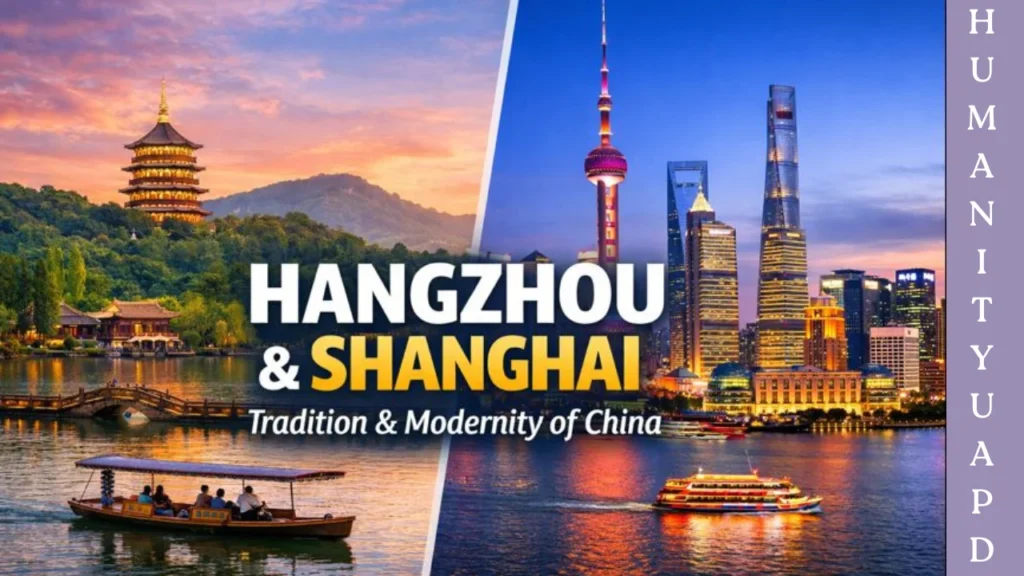
Hangzhou and Shanghai
Hangzhou and Shanghai stand as two prominent cities in China, each representing distinct facets of the nation’s geography, history, and contemporary significance. Located in the eastern part of the country, Hangzhou serves as the capital of Zhejiang Province, while Shanghai, situated at the mouth of the Yangtze River, is a direct-controlled metropolis and one of the world’s most populous cities.
As of recent statistics, Hangzhou boasts a population of approximately 10 million residents, indicating a rich tapestry of culture and history, with its roots tracing back over 2,200 years. Historically known for its scenic beauty and cultural significance, the city is most famous for West Lake, a UNESCO World Heritage site. The modernization of Hangzhou has transformed it into an economic hub, particularly in information technology and e-commerce, with companies like Alibaba establishing their headquarters there.
In contrast, Shanghai is recognized as China’s largest city, home to a staggering population of over 24 million people. Its rapid development into a global financial center exemplifies China’s economic ascent. Since the late 20th century, Shanghai has undergone tremendous transformations with futuristic skylines and bustling urban life, reflecting the dynamic shift towards industrialization and modernity.
Both cities have experienced significant socio-economic changes over the decades. While Hangzhou integrates its rich cultural heritage with modern advancements, Shanghai is often perceived as the epitome of China’s modernization, embodying the spirit of capitalism and globalization. The interaction between tradition and modernity is a common theme in both cities, influencing not only their landscapes but also their social fabric.
Overall, Hangzhou and Shanghai symbolize the diverse paths China has taken towards modernization, each contributing uniquely to the country’s socio-economic landscape while preserving elements of their historical identities.
👉 Table of Contents 👇
Geographical Features and Climate
Hangzhou and Shanghai, while being relatively close in proximity, display distinct geographical features and climatic conditions that greatly influence their urban layouts and daily activities. Hangzhou is renowned for its picturesque landscape, largely dominated by the West Lake, an iconic body of water surrounded by lush greenery and hills. The city features a varied topography, with mountains to the north and fertile plains to the south, contributing to its status as a popular tourist destination. This unique geographical configuration also fosters a milder climate, characterized by four distinct seasons. During spring, the blooming flowers and moderate temperatures attract both locals and tourists, while autumn presents stunning scenery with vibrant foliage.
Conversely, Shanghai, situated at the mouth of the Yangtze River, presents a more urbanized terrain. The city’s layout is defined by its sprawling urban environment, with distinct districts like Pudong and Puxi showcasing a blend of modern architecture and historical sites. The waterways, including the Huangpu River, play a critical role in Shanghai’s identity, facilitating transportation and tourism. The climate in Shanghai is classified as humid subtropical, marked by hot summers and cool winters. The summer months tend to be characterized by high humidity and frequent rainfall, whereas winters are relatively dry and chilly, capturing the essence of a vibrant metropolis.
Both cities experience seasonal variations that influence daily life. In Hangzhou, the pleasant spring and autumn months encourage outdoor activities and cultural festivals, while in Shanghai, the summer heat drives people towards cooler indoor spaces or cooling off near the waterfront. The unique geographical characteristics and climate of both Hangzhou and Shanghai create diverse lifestyles that reflect their respective cultural and environmental significance.
Economic Development and Industry
Hangzhou and Shanghai epitomize distinct pathways of economic development in China, each city showcasing unique industrial strengths that contribute to their regional and national importance. Hangzhou, the capital of Zhejiang province, has cultivated a thriving technological ecosystem, primarily driven by the innovation sector. Companies like Alibaba have established the city as a central hub for e-commerce and technology, significantly influencing the economic landscape. This focus on technology not only enhances Hangzhou’s economic output but also attracts a steady influx of investments, fostering an environment conducive to startups and technological advancements.
In contrast, Shanghai is recognized as the financial heartbeat of China, with an economy primarily characterized by its robust financial services. The city is home to one of the largest stock exchanges in the world, the Shanghai Stock Exchange, which plays a pivotal role in capital allocation and attracting international investors. Additionally, Shanghai’s strategic location as a major port facilitates global trade, further cementing its status as an international financial center.
Recent trends indicate a shift towards greater innovation and digital convergence in both cities. Hangzhou’s commitment to developing smart city initiatives and digital infrastructure positions it for sustained economic growth. Even as Shanghai continues to lead in finance, it increasingly embraces technology within financial services, promoting fintech and digital currencies to enhance transaction efficiencies. The economic outlook for both cities remains optimistic, driven by their respective strengths in technology and finance, aligning with China’s broader economic goals. The symbiotic relationship between Hangzhou’s tech advancements and Shanghai’s financial prowess is likely to shape the future dynamics of industry in China.

Cultural and Scientific Institutions
Hangzhou and Shanghai, two of the most prominent cities in China, are rich in cultural and scientific institutions that play a vital role in fostering education, innovation, and cultural preservation. In Hangzhou, Zhejiang University stands out as one of the top research and educational institutions in the country, recognized for its commitment to advancing scientific knowledge across various disciplines. This university is instrumental in promoting research initiatives that align with both local and global needs, thereby contributing to the scientific community and the economy.
Moreover, Hangzhou hosts the China National Silk Museum, which preserves the city’s historical connection to silk production while offering insights into cultural heritage and the evolution of textile sciences. This institution not only educates visitors but also serves as a research center, connecting the past with modern innovations in the textile industry.
In contrast, Shanghai boasts a more extensive array of institutions, reflecting its larger metropolitan status. The city is home to Fudan University and Shanghai Jiao Tong University, both of which are renowned for their rigorous academic programs and research capabilities. These institutions attract a diverse student body, fostering a vibrant intellectual environment conducive to innovation and collaborative projects that span international frontiers.
Additionally, the Shanghai Science and Technology Museum is a significant establishment dedicated to promoting public understanding of science and technology. It offers interactive exhibitions and educational programs, making science accessible to all ages. This museum plays a key role in inspiring future generations to engage with scientific inquiry and education.
Both cities exemplify how cultural and scientific institutions can contribute to the nexus of education and innovation. By preserving cultural heritage while simultaneously pushing scientific boundaries, Hangzhou and Shanghai are at the forefront of modernity, ensuring that their rich histories inform future developments.
Transportation and Infrastructure
Both Hangzhou and Shanghai boast sophisticated transportation systems and infrastructure that serve as vital arteries for local and international connectivity. Shanghai, as one of China’s largest metropolises, features an extensive public transit network that includes the Shanghai Metro, which is one of the longest and most utilized metro systems in the world. This impressive network not only enables efficient domestic travel but also connects seamlessly with the city’s two major airports: Pudong International Airport and Hongqiao International Airport. These airports facilitate international travel and contribute significantly to Shanghai’s status as a global hub.
In contrast, Hangzhou, while smaller, showcases a robust public transportation system characterized by its well-developed bus network and an expanding metro system. The city’s relatively new metro lines are designed to enhance accessibility throughout Hangzhou, allowing residents and visitors alike to navigate the city with ease. Hangzhou’s Xiaoshan International Airport complements this infrastructure by serving both domestic and international flights, thereby improving its connectivity and supporting the local economy.
Additionally, both cities emphasize sustainable urban planning in their transportation initiatives. Shanghai has made strides in promoting electric public transportation options, including electric buses and taxis, aligning with global sustainability efforts. Meanwhile, Hangzhou takes pride in its bike-sharing programs, which have gained notable popularity among residents and tourists, providing an eco-friendly alternative for short-distance travel. This commitment to sustainable mobility reflects both cities’ dedication to reducing their carbon footprints and improving the quality of urban life.
Overall, the transportation systems and infrastructure in Hangzhou and Shanghai play a crucial role in enhancing economic activity and fostering cultural exchange, while also prioritizing sustainable development to meet the demands of modern urban life.
Tourism and Attractions
Tourism is a vital component of both Hangzhou and Shanghai, two of China’s most prominent cities, each offering a unique and rich array of attractions that draw millions of visitors annually. Hangzhou, known for its stunning natural beauty, is home to the iconic West Lake, a UNESCO World Heritage site. This picturesque lake is surrounded by lush hills and dotted with ancient temples, pagodas, and gardens, making it a centerpiece for both local residents and tourists. The serene landscape is not only a site for relaxation but also a place where visitors can engage in activities such as boat rides and tea tasting, particularly at the renowned Longjing tea plantations nearby.
In contrast, Shanghai’s skyline is dominated by modern architectural marvels such as the Oriental Pearl Tower and the Shanghai Tower, which encapsulate the city’s rapid development and global status. The Bund, a historic waterfront area, showcases colonial-era buildings alongside these modern structures, creating a striking contrast that highlights Shanghai’s duality of tradition and modernity. This melding of old and new provides a unique context for understanding the cultural evolution within the city.
Additionally, both cities offer recreational areas that enhance the tourist experience. In Hangzhou, the Xixi National Wetland Park provides a rich biodiversity and cultural significance, allowing visitors to explore the ecological beauty of the region. Meanwhile, Shanghai boasts several parks such as People’s Park and Century Park, where travelers can unwind amidst greenery and participate in local recreational activities.
Overall, the tourism industry plays a significant role in the economies of both Hangzhou and Shanghai, fueling job creation, infrastructure development, and promoting cultural exchange. As both cities continue to develop their offerings, the intricate tapestry of experiences found in Hangzhou’s historical landscapes and Shanghai’s modern attractions will undoubtedly continue to thrive, attracting future generations of tourists.
Environmental Considerations and Urban Challenges
As urban centers rapidly evolve, Hangzhou and Shanghai face significant environmental challenges that threaten their ecological sustainability. One of the most pressing issues in both cities is air pollution, primarily stemming from vehicular emissions, industrial discharges, and construction activities. Shanghai, being the larger metropolis, struggles with elevated particulate matter levels, particularly during peak traffic hours. Conversely, Hangzhou has made substantial strides in improving air quality through stricter regulations on industrial activities, aiming to reduce pollutants released into the atmosphere.
Another critical environmental concern is waste management. With increasing populations, both cities generate copious amounts of waste that strain their existing disposal systems. Shanghai has implemented a mandatory waste sorting policy, which encourages citizens to segregate recyclables from non-recyclables. This initiative not only promotes recycling but also enhances public awareness regarding waste reduction. Hangzhou, on the other hand, is leveraging technology through smart waste management solutions, including sensor-equipped bins that monitor waste levels and optimize collection routes, thereby minimizing operational costs and environmental impacts.
Climate change also poses a significant threat, impacting water resources, urban infrastructure, and public health. Shanghai, with its extensive coastline, is particularly vulnerable to rising sea levels and has initiated multiple projects to enhance coastal defenses and build resilient infrastructure. Hangzhou is mitigating climate change effects by promoting green urban planning, such as developing parks and green spaces to absorb carbon emissions and improve urban biodiversity. Additionally, both cities are investing in public transportation to reduce greenhouse gas emissions, encouraging citizens to adopt eco-friendly commuting practices.
Efforts to address these environmental challenges signal a commitment to sustainable urban development in Hangzhou and Shanghai. By embracing innovative policies and practices, both cities aim to create healthier living conditions for their residents while preserving their natural environments.

Future Developments and Urban Planning
As both Hangzhou and Shanghai continue to evolve, the cities’ urban planning initiatives are increasingly focused on integrating technology with sustainable practices. In an era where smart urban solutions are becoming increasingly vital, these two cities are exemplifying how modernity and livability can be intertwined.
In Hangzhou, the government has placed significant emphasis on developing a smart city framework. This includes the implementation of Internet of Things (IoT) technologies that enhance city management and provide real-time data for urban planners. Projects such as the Hangzhou City Brain have garnered attention for their ability to optimize traffic flow and reduce congestion through AI-driven data analytics. The focus on sustainable practices is also evident in the promotion of green spaces and eco-friendly architectures, responding to the urban heat island effect while improving residents’ quality of life.
Shanghai, on the other hand, with its status as a global metropolis, continues to push the boundaries of urban development. The city’s ongoing infrastructure projects reflect a commitment to sustainable growth. Recent initiatives include the creation of pedestrian-friendly zones and the enhancement of public transportation to reduce reliance on personal vehicles. Moreover, Shanghai is implementing advanced technology for waste management and energy efficiency, in line with their aspirations of becoming a benchmark for smart city development.
Both cities are not only investing in their infrastructure but also exploring innovative solutions to improve overall sustainability. From smart grids for energy distribution to extensive public transportation networks, Hangzhou and Shanghai are setting examples for urban populations worldwide. These endeavors illustrate their commitment to evolving as livable, technologically advanced urban centers, where future developments are harmoniously aligned with sustainability and modernization.
Frequently Asked Questions about Hangzhou and Shanghai
Traveling to Hangzhou and Shanghai can be a delightful experience, but potential visitors often have several questions. Here, we address common inquiries regarding these vibrant cities.
What is the best time to visit Hangzhou and Shanghai?
The ideal time to visit both Hangzhou and Shanghai is during the spring (March to May) and autumn (September to November) months. During these periods, the weather is generally mild, making it perfect for sightseeing and outdoor activities. Summer can be hot and humid, while winters are chilly.
What cultural etiquette should I be aware of?
Both cities have unique cultural practices. In general, it is customary to greet others with a polite nod or handshake. When dining, it is respectful to wait for the host to start eating first. Moreover, using both hands to give or receive items, especially business cards, is considered polite.
Are there language barriers in Hangzhou and Shanghai?
While English is increasingly spoken in both cities, especially in tourist areas, it may still not be widely understood by everyone. Learning a few basic Mandarin phrases can significantly enhance your interactions with locals and enrich your experience.
What transportation options are available?
In Hangzhou, the public transportation system includes buses, taxis, and the metro, providing easy access around the city. Alternatively, Shanghai boasts an extensive metro network that connects various districts efficiently. Biking is another popular mode of transport in Hangzhou, given its scenic views.
Is it safe to travel in Hangzhou and Shanghai?
Both cities are generally safe for travelers, with a low crime rate. Nevertheless, it is advisable to exercise standard precautions, such as safeguarding personal belongings and avoiding unfamiliar areas late at night. Emergency services and police are readily accessible, ensuring a secure travel environment.
By considering these commonly posed questions, visitors can look forward to a rewarding journey through the cultural richness and modern advancements that both Hangzhou and Shanghai offer.

Share this:

Discover more from HUMANITYUAPD
Subscribe to get the latest posts sent to your email.