
Identity Verification Systems Down – 5 Easy Fixes
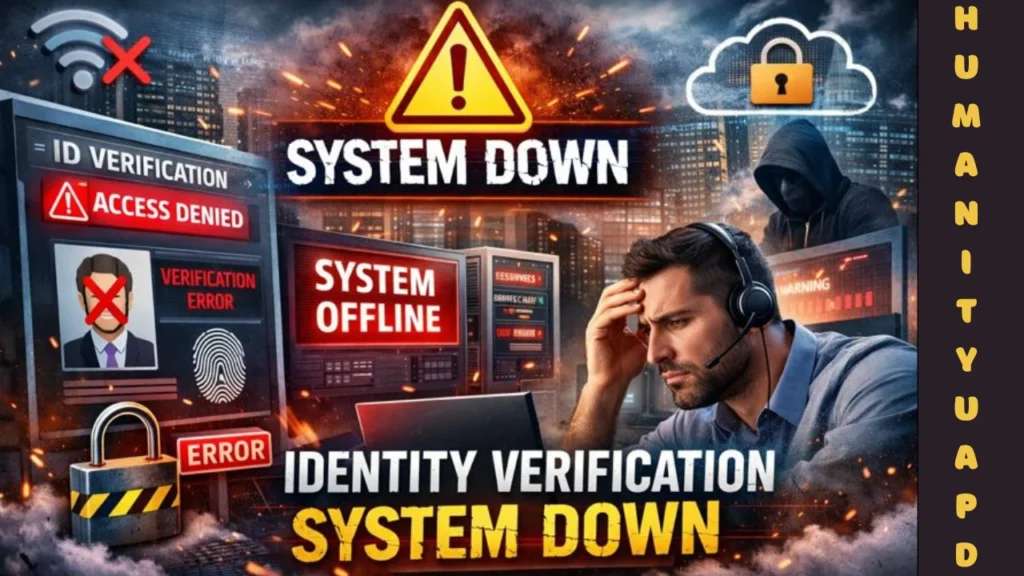
Identity Verification Systems Down
Identity verification systems are essential tools designed to ascertain an individual’s identity before granting access to sensitive information or services. These systems play a critical role in protecting personal data and combating fraud across various sectors, including finance, healthcare, and online services. The integration of identity verification processes has become paramount, particularly with the proliferation of digital transactions and the corresponding rise in identity theft and data breaches.
In the finance sector, identity verification systems help banks and financial institutions confirm the identity of customers opening accounts or applying for loans. This not only adheres to regulatory compliance but also safeguards against potential fraudulent activities. Similarly, in healthcare, identity verification is crucial for protecting patients’ health records, ensuring that only authorized personnel can access sensitive medical information.
Online services, notably e-commerce platforms and social media networks, utilize identity verification mechanisms to ensure that users are who they claim to be, thereby maintaining a secure online environment. Methods such as multi-factor authentication, biometric verification, and digital identity cards are notable technologies employed in these systems, enhancing their effectiveness in verifying identities in a digital landscape.
As the reliance on digital identities grows, challenges also arise, notably the risks of system downtimes which can impede the verification process. Such downtimes can result from technical issues, maintenance, or cyberattacks, leading to significant disruptions in service delivery. As we continue to explore the complexities of identity verification systems, it is imperative to understand their operational significance and the potential implications of their outages in various sectors.
➡️ Table of Contents ⬇️
Common Causes of System Downtime
Identity verification systems are essential for securing sensitive information and ensuring that transactions are legitimate. However, there are several common causes of downtime that can disrupt these critical services. One significant factor is server crashes, which can occur due to a variety of reasons, including overloads from excessive user traffic or insufficient system resources. When the server hosting the verification system becomes unresponsive, the entire system can go offline, preventing users from accessing necessary services.
Another prevalent cause of downtime is software bugs. Identity verification systems rely on complex algorithms and coding to function effectively. Even minor coding errors can lead to significant system failures. These bugs may arise during updates or new feature deployments, highlighting the importance of thorough testing before launching new code into a live environment.
Moreover, security breaches pose a dual threat to the functionality and integrity of identity verification systems. If a system detects unauthorized access, it may self-activate security measures that can lead to temporary shutdowns. This is a critical protection feature, but it can result in frustration for legitimate users during breaches or attempted attacks.
External factors also contribute to identity verification system downtimes. Internet connectivity problems can hinder communication between the end-user and the server, leading to timeout errors. Additionally, power outages can disrupt operations, especially if a system lacks a proper backup infrastructure. These physical and logistical challenges often create ripple effects in the service reliability of identity verification systems.
In summary, understanding the common causes of system downtimes, including technical glitches, security issues, and external factors, can help organizations develop strategies to mitigate risks associated with identity verification services.
Impact of Downtime on Businesses and Users
The failure of identity verification systems can have far-reaching consequences for both businesses and their end users. For businesses, one of the most immediate impacts is the financial loss incurred during periods of downtime. When identity verification processes are inaccessible, transactions cannot be completed, which can lead to lost sales and reduced revenue streams. This financial strain can be particularly severe for companies that rely heavily on digital transactions, as delays can deter potential customers and drive them to competitors.
Moreover, the reputation of a business can be significantly damaged by persistent system failures. Trust is paramount in the digital landscape, particularly for businesses that handle sensitive customer information. When users encounter difficulties verifying their identity, they may perceive the company as unreliable or negligent in maintaining essential services. This perception can lead to a loss of customer loyalty and a decrease in brand credibility, which can take considerable time and resources to rebuild.
From the user’s perspective, the frustration caused by identity verification system downtime cannot be understated. Customers often face inconveniences when they are unable to complete transactions or access necessary services. Such disruptions can lead to a negative experience, prompting users to seek alternatives, which, in turn, can affect customer retention for the business. In an increasingly competitive market, consumer satisfaction is crucial for maintaining a loyal client base.
In conclusion, the ramifications of identity verification system failures can be profound, affecting both operational efficiency within businesses and the user experience. Addressing these issues promptly is essential to mitigate financial losses and maintain trust between businesses and their customers.

Fix 1: Regular System Maintenance and Updates
In the realm of identity verification systems, regular maintenance and timely updates play a pivotal role in ensuring operational reliability and minimizing the risk of system downtimes. These practices not only prevent technical failures but also enhance overall system performance, which is crucial in an era where identity verification has become a vital component of security protocols.
It is essential for IT teams to establish a regular maintenance schedule that includes routine system checks, software audits, and performance evaluations. This schedule should be proactive rather than reactive, allowing any potential issues to be identified and addressed before they escalate into larger problems. Regular updates, including those for software patches and security enhancements, also form a critical part of system maintenance. Keeping the identity verification system’s software up-to-date helps to mitigate vulnerabilities and ensures compliance with the latest industry standards.
Implementing a change management process is another best practice for maintaining system integrity. This involves assessing the impact of updates prior to deployment and ensuring that all changes align with organizational objectives. Additionally, documenting all maintenance activities is crucial. A comprehensive log allows IT teams to track changes and establish timelines for updates, which can be invaluable during troubleshooting and audits.
Furthermore, collaboration with system providers to understand the specific requirements and updates related to identity verification technologies remains essential. Regular communication with these vendors ensures that organizations are informed about the latest enhancements and security measures. By following these strategies, organizations can significantly enhance the reliability of their identity verification systems, thereby reducing the likelihood of unexpected downtimes.
Fix 2: Utilize Cloud-Based Solutions
Transitioning to cloud-based identity verification systems is an essential strategy for businesses seeking enhanced reliability and scalability. One of the primary benefits of cloud technology is its ability to provide redundancy; in the event of system downtimes, cloud solutions can reroute traffic and functionality to maintain continuous service. This capability is particularly crucial in the identity verification sector, where interruptions can lead to significant disruptions and loss of trust among users.
Cloud-based identity verification systems are designed to efficiently manage high volumes of verification requests. As these requests often fluctuate, depending on various factors such as peak operational hours or unexpected surges due to security incidents, the cloud facilitates greater flexibility in responding to these demands. Businesses can dynamically scale their resources up or down, ensuring that they only pay for what they require, leading to cost efficiency alongside operational effectiveness.
Moreover, cloud-based solutions typically offer enhanced security measures, with built-in features such as automatic updates and rigorous data encryption protocols. This is particularly relevant in the context of identity verification, as sensitive information is involved. By leveraging cloud technology, organizations can benefit from the expertise of their cloud providers in maintaining the security and integrity of data. Additionally, data stored in the cloud can be accessed from various devices and locations, which promotes remote collaboration and the possibility of quick adjustments to verify identities effectively.
In conclusion, by utilizing cloud-based identity verification systems, companies can enhance their operational resilience and responsiveness in the face of downtimes, while also benefiting from improved scalability and security measures. These advantages make cloud technology an indispensable element of modern identity verification strategies.
👉 OTP and authentication failures
Fix 3: Implementing Redundant Systems
In the face of identity verification systems experiencing downtime, implementing redundant systems can serve as a pivotal strategy for ensuring continuity. Redundancy refers to the incorporation of additional components that can take over in case of a failure. Such systems are essential to maintain operational integrity and minimize service interruptions, thereby enhancing user experience and trust.
A primary approach to creating redundancy is through load balancing. This involves distributing workloads across multiple servers or systems, which helps to prevent any single point of failure. By doing so, if one system becomes overloaded or fails, others can seamlessly absorb the additional load. Load balancing not only improves performance but also enhances the overall reliability of identity verification services.
Furthermore, the implementation of failover systems is crucial in maintaining service continuity. These systems are designed to automatically switch to a standby database, server, or network upon detecting a failure in the primary system. Such an automated process ensures that users remain unaffected during outages, thereby safeguarding data and maintaining access to services. Each of these strategies reduces the risks associated with identity verification downtimes significantly.
In addition to load balancing and failover systems, organizations should consider regular testing of these redundant systems. This practice ensures that in the event of an outage, the failover processes are functioning correctly. It is also beneficial to document and develop clear procedures related to these redundancies, so that in the event of system failure, the response is swift and effective.
Overall, the implementation of redundant systems not only protects against identity verification outages but also enhances user confidence. By ensuring systems are consistently available, organizations position themselves favorably in an increasingly digital landscape where trust and reliability are paramount.
Fix 4: Training and Preparedness for Staff
In today’s fast-paced technological environment, having an effective identity verification system is crucial for organizations aiming to secure sensitive information and maintain trust with their customers. However, this reliance can be challenged when systems experience downtime. One of the most effective ways to mitigate this risk is by investing in training and preparedness for staff members. Well-informed personnel can play a pivotal role in both the prevention of downtime and the efficient management of incidents when they occur.
Regular training programs are essential for ensuring that staff are familiar with the identity verification systems they operate. These programs should cover a range of topics, including system functionalities, potential failure scenarios, and emergency response protocols. By equipping team members with in-depth knowledge of the systems, organizations can foster a culture of vigilance and preparedness. Workshops and training sessions can also provide opportunities for employees to engage with the technology directly, enhancing their confidence in using the systems during critical situations.
Additionally, conducting simulations of system downtimes can significantly improve staff readiness. These exercises allow teams to practice their response to various failure scenarios in a controlled environment. Simulated downtimes provide employees with the opportunity to test their skills, identify weaknesses, and learn from any mistakes made during the exercise. This proactive approach not only enhances individual capabilities but also strengthens teamwork and communication, which are vital during real operational challenges.
Ultimately, well-trained staff can act as the first line of defense against systemic failures. Their ability to respond quickly and effectively can drastically reduce the duration and impact of any downtime, ensuring that the integrity of the identity verification systems is upheld. Investing in regular training and preparedness for staff is a strategic measure that organizations must prioritize to safeguard their operations and maintain a seamless user experience.

Fix 5: Leveraging Customer Support Options
During periods of downtime for identity verification systems, the importance of robust customer support cannot be overstated. When users encounter issues related to identity verification, their trust and confidence in the system may waver. Therefore, having a well-structured customer support strategy is essential to maintain user satisfaction and engagement.
One effective approach is to create a multi-channel support system. This includes offering assistance through various modalities such as live chat, email, and telephone support. Providing users with multiple avenues to seek help can significantly enhance their experience and facilitate quicker resolutions to their verification issues. It is also vital to ensure that support representatives are well-trained in handling identity verification concerns, equipped with knowledge of alternative verification methods or fallback processes.
Furthermore, effective communication during downtimes plays a critical role in user confidence. Keeping customers informed through updates about system statuses, estimated repair times, and interim solutions is important. Utilizing social media and company websites to disseminate this information can help manage expectations and reassure users that the organization is actively working to resolve any issues. Additionally, proactive outreach, such as sending notifications about potential disruptions, can prepare users in advance.
Implementing alternative verification methods can also serve as a contingency plan during downtime. Options such as manual verification procedures or temporary identity verification through emergency authentication can provide users with the required access while the main system is under maintenance. The integration of these strategies ensures that user accounts remain accessible, thereby fostering trust and loyalty even during challenging circumstances.
👉 verification approval delays
FAQs: Identity Verification Systems Down
Identity verification systems play a crucial role in various sectors, and their downtimes can lead to significant operational challenges. Below are some common queries regarding these downtimes along with their proposed solutions.
What causes identity verification system downtimes?
Downtimes can arise due to several factors, including technical malfunctions, power outages, server overloads, or even cybersecurity threats. Ensuring a robust IT infrastructure and conducting regular maintenance can help mitigate these risks.
How can I implement a backup system?
Implementing a backup system involves choosing a reliable secondary service provider that can take over during primary system failures. This can include cloud-based solutions that provide redundancy, ensuring that user identities can still be verified even when the main system is down.
What is the cost associated with downtime fixes?
The costs can vary widely depending on the chosen solutions. Investing in automated systems, backup protocols, and regular training for staff can initially raise expenses, but they are generally outweighed by the long-term benefits of reduced downtime and increased user trust.
How do I maintain efficiency during system downtimes?
Establishing clear protocols for identity verification during downtimes is critical. Manual verification processes, though slower, can be effective. Moreover, training team members on these procedures ensures that customer service remains efficient and user satisfaction does not decline.
What troubleshooting steps should I take?
Troubleshooting begins with identifying the cause of the downtime. Regularly updating software, monitoring system performance, and ensuring compliance with industry standards can help prevent issues. Setting up an alert system that notifies administrators immediately upon failure can also expedite resolution times.
By addressing these common concerns, stakeholders can better manage identity verification system downtimes and develop effective strategies for prevention and resolution.

Share this:

Discover more from HUMANITYUAPD
Subscribe to get the latest posts sent to your email.