
Widowhood: 7 Shocking Truths That Change Lives
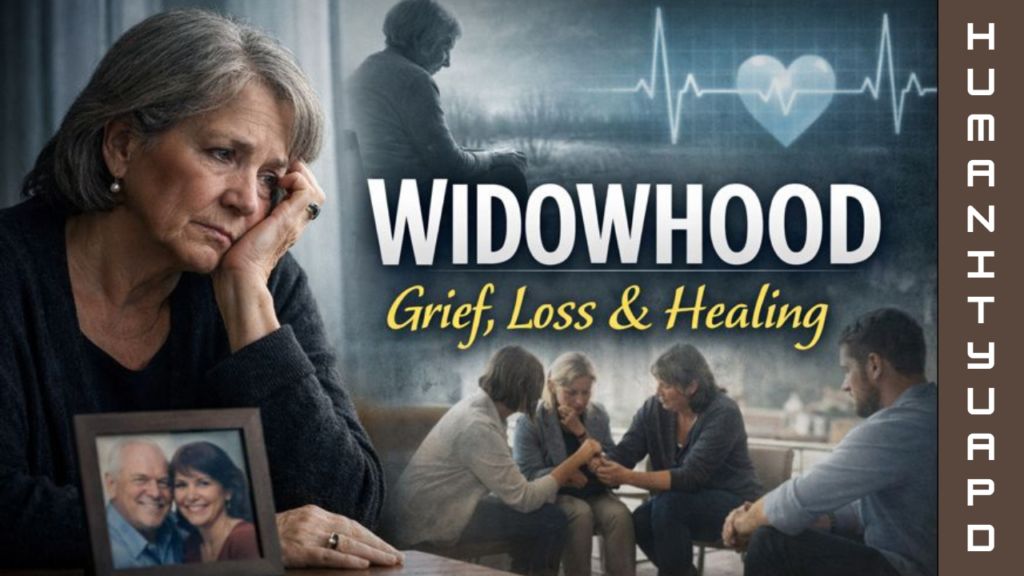
Widowhood
Widowhood is defined as the state of having lost one’s spouse due to death, leading to significant individual and societal implications. This concept can be examined from both scientific and sociological perspectives. Scientifically, widowhood triggers an array of emotional and psychological responses, a reaction to the profound loss of a partner. The grieving process varies widely among individuals, influenced by factors such as age, gender, cultural background, and personal experiences with loss.
The emotional ramifications of widowhood can manifest in diverse ways, including feelings of sadness, loneliness, and even guilt. Research indicates that widows may experience different challenges compared to widowers; societal expectations and gender roles can shape their grieving processes. The widow’s role in society often changes drastically, impacting their sense of identity and belonging. This loss not only involves the physical absence of a spouse but also signifies a shift in social networks and support systems, further exacerbating the emotional toll.
From a sociological standpoint, widowhood can lead to alterations in social status and economic conditions. The deceased partner’s absence may necessitate a reevaluation of financial responsibilities and, in many cases, a transition to a lower economic status. Consequently, widows and widowers often confront numerous societal stigmas and barriers, complicating their reintegration into a social framework where they once functioned as part of a couple.
Understanding widowhood through this multifaceted lens is crucial for providing adequate support systems and resources for those affected. By focusing on the emotional, psychological, and social impacts of losing a spouse, we lay the groundwork for a more comprehensive exploration of the challenges and transitions that accompany widowhood.
➡️ Table of Contents ⬇️
The Psychological Impact of Losing a Partner
The death of a partner can have profound psychological consequences that significantly impact an individual’s mental health. Grief is a natural reaction to loss and often manifests in various stages, as famously articulated by Elisabeth Kübler-Ross. These stages include denial, anger, bargaining, depression, and acceptance. Understanding these stages can help widows navigate their complex emotional landscape while accepting that these stages often do not occur linearly.
Research indicates that bereaved individuals may experience heightened levels of depression and anxiety following the loss of a spouse. Studies have demonstrated that about 20% of widows may suffer from complicated grief—a condition characterized by persistent and debilitating sorrow, preventing the individual from moving forward. Complicated grief can involve intense yearning for the deceased, feelings of emptiness, and difficulty engaging in daily activities.
Women, in particular, may exhibit emotional responses such as increased anxiety and social withdrawal after losing a partner. A study published in the “Journal of Affective Disorders” found that widows reported higher frequencies of anxiety disorders compared to their married counterparts. The emotional toll of widowhood is compounded by the societal perceptions of loss, often resulting in a feeling of isolation.
Additionally, neurobiological changes can occur in response to prolonged grief. Research has shown that mourners may exhibit alterations in brain function, particularly in regions associated with emotion regulation. This highlights that the psychological effects of losing a partner can have lasting impacts on mental well-being and brain health.
In light of these findings, it is crucial for individuals experiencing grief to seek support through counseling or community resources. This support can provide coping strategies and comfort during a difficult time, ultimately facilitating the healing process.
Biological and Physical Effects of Grief
Grief, particularly in the context of widowhood, has profound biological and physical impacts that can alter an individual’s overall health. When one experiences the death of a partner, the emotional turmoil is often accompanied by a series of physical responses that can manifest in various ways. One of the most significant consequences is a weakened immune system. Studies have shown that chronic stress, such as that which accompanies mourning, can impair immune function, making individuals more susceptible to infections and illnesses.
Additionally, weight changes are another critical aspect of the physical effects of grief. Some individuals may experience a loss of appetite during their mourning period, leading to unintended weight loss. Conversely, others might turn to food for comfort, resulting in weight gain. These fluctuations can have long-term health implications, affecting cardiovascular health and overall physical well-being.
Sleep disturbances are also common among those grieving the loss of a spouse. Insomnia or excessive sleeping can occur as a result of the emotional strain, affecting the body’s ability to recover and rejuvenate. The disruption of normal sleep patterns can contribute to fatigue and exacerbate feelings of sadness and lethargy.
Moreover, grief can lead to an increase in stress-related conditions such as hypertension and anxiety disorders, as the body’s stress response is activated. This physiological change can further complicate the grieving process, creating a cycle that can be challenging to break.
Overall, the biological and physical effects of grief can significantly impact individuals following the death of a partner. It is crucial for those experiencing widowhood to acknowledge these changes and seek appropriate support and care. Understanding the connection between grief and physical health can facilitate better recovery and well-being.

Social Changes and Isolation
Widowhood often precipitates profound shifts in an individual’s social landscape, fundamentally altering relationships and community connections. After the loss of a partner, many widows experience feelings of social isolation, which can arise from multiple factors. The sudden absence of a spouse may leave surviving partners without a primary companion for social activities, leading to a noticeable withdrawal from previously cherished engagements. Furthermore, friends and acquaintances may struggle to navigate this new dynamic, at times unintentionally distancing themselves from the widow, resulting in an unanticipated severance of social ties.
Changes in social networks further compound these feelings of isolation. Widows may find that social circles, once inclusive and vibrant, diminish after the death of a partner. The shared relationships that existed prior to the loss may become strained or fragile, as mutual friends attempt to adjust. Consequently, a widow may face challenges in reintegrating into social settings, particularly if those gatherings focus on couple-oriented activities, highlighting the absence of their partner.
The impact on daily life is significant, with social changes manifesting in various ways. Loss can lead to a re-evaluation of social roles and identities, with many widows grappling with the challenge of redefining themselves outside the context of their relationship. As a result, they may turn to support groups or community organizations tailored for those experiencing similar losses, which can provide opportunities for social engagement. These connections can help mitigate feelings of loneliness by fostering a sense of belonging. However, the transition to new social environments may take time, underscoring the complexities of widowhood and the essential need for understanding and support from both individuals and communities.
Coping Mechanisms and Adaptive Strategies
Widowhood is an experience marked by profound loss and significant life changes, making coping mechanisms and adaptive strategies essential for navigating this challenging period. Widows often face emotional, social, and economic adjustments that can be overwhelming. Developing effective coping mechanisms can aid in fostering resilience and allowing for personal growth during this transition.
One critical adaptive strategy is the formation of new social networks. Engaging with family, friends, or joining support groups can provide essential emotional support. Women who have lost their partners may find comfort and understanding among peers who share similar experiences, which can foster a sense of belonging and reduce feelings of isolation. Actively participating in community events or finding online forums focused on widowhood can also expand social connections and provide valuable resources.
Engaging in hobbies is another beneficial coping mechanism. Pursuing interests such as painting, gardening, or volunteering can occupy the mind, reduce stress, and facilitate personal expression. By focusing on new or rediscovered passions, widows can channel their emotions positively, enabling them to explore a new identity beyond that of a spouse.
Seeking therapy is a critical step that many widows may consider, providing a safe space to process grief and develop coping strategies tailored to individual needs. Professional guidance can assist in navigating the emotional complexities that accompany loss, offering valuable tools to manage feelings of sadness, anger, or confusion.
Lastly, practicing self-care is fundamental in coping with the nuances of widowhood. Prioritizing physical health by maintaining a balanced diet, engaging in regular exercise, and ensuring adequate sleep plays a vital role in emotional regulation and overall well-being. Mindfulness practices such as yoga or meditation can also enhance emotional resilience, equipping widows with the necessary tools to confront their grief and adjust to life changes effectively.
The Role of Support Systems
Upon the loss of a spouse, individuals often navigate a complex emotional landscape characterized by isolation, grief, and the challenge of adjusting to life without their partner. In this context, robust support systems play a critical role in the coping mechanisms employed during the mourning process. Social connections, comprised of family, friends, and specialized bereavement groups, provide essential emotional support that can aid in the grieving journey.
Research has consistently highlighted that individuals with strong social networks tend to experience lower levels of psychological distress following bereavement. A study published in the Journal of Health and Social Behavior found that perceived social support can function as a buffer against the negative effects of grief. Notably, emotional support from family and friends can foster a sense of belonging and security, mitigating feelings of loneliness and abandonment. As bereaved individuals share their grief with empathetic listeners, they often find comfort and validation, which are vital elements in the healing process.
Furthermore, bereavement groups provide a unique forum for shared experiences and collective mourning. Participants in these groups often report feeling understood and less isolated in their grief. Psychological studies indicate that group interventions can lead to improved psychological well-being and enhanced mourning outcomes. Engaging with others who have encountered similar losses fosters a safe environment for expressing emotions, discussing memories, and learning coping strategies.
In conclusion, the importance of social support during the grieving process cannot be overstated. Social networks and bereavement groups not only facilitate emotional expression but also offer practical assistance and companionship. The impact of these support systems on an individual’s capacity to navigate widowhood illustrates the relevance of community in the journey toward healing and adjustment.
How Widowhood Affects Life Expectancy
Widowhood is a significant life event that can profoundly impact an individual’s overall health and longevity. Research has revealed a correlation between losing a spouse and increased mortality rates among the bereaved. Numerous studies indicate that the psychological and physical stress stemming from widowhood may contribute to this phenomenon. The emotional toll of grief, coupled with the potential for social isolation, can exacerbate existing health conditions and lead to new ones.
For instance, a study published in the Journal of Marriage and Family found that widowed individuals faced a 66% higher risk of mortality compared to their married counterparts. This heightened risk was attributed not only to emotional distress but also to factors such as inadequate social support and changes in lifestyle behaviors after the loss of a spouse.
Moreover, stress is often a considerable factor influencing health outcomes post-widowhood. The body’s response to stress can lead to various health complications, including cardiovascular diseases, weakened immune function, and increased incidence of depression. These complications can significantly shorten life expectancy, particularly in individuals who are already managing other health issues.
Additionally, couples often engage in health-promoting behaviors together. The sudden loss of a spouse can disrupt these routines, leading to a decline in health-related activities such as exercise and regular medical check-ups. Consequently, the widowed may neglect their health maintenance, further compounding health issues.
It becomes clear that widowhood has multifaceted effects on life expectancy, influenced by emotional, social, and health-related factors. Understanding these dynamics can provide essential insights into developing supportive measures for those experiencing the loss of a partner, ultimately aiming to mitigate the negative health outcomes associated with widowhood.

Moving Forward: Remarriage and New Relationships
For many individuals who have experienced the loss of a spouse, the prospect of entering into a new relationship can evoke a complex mix of emotions. After the profound grief associated with widowhood, the idea of remarrying or starting anew can be both appealing and daunting. The social perceptions surrounding remarriage can vary significantly, influencing personal choices and societal acceptance.
From a societal perspective, roles and expectations regarding widowhood can play a crucial part in the dynamics of new relationships. In some cultures, there may be pressure to remain single for a certain period, while in others, remarriage may be encouraged as a way to rebuild family structures. Such social factors may lead to feelings of guilt or anxiety over seeking companionship once again. It is crucial for widows to acknowledge these pressures but prioritize their emotional readiness when considering a new partnership.
Emotional readiness is a key factor in moving forward. Individuals may grapple with lingering feelings of devotion to their deceased spouse, making the transition to new love uncertain. It is vital to process these emotions fully, as they can significantly impact one’s ability to engage in a healthy new relationship. Therapy or support groups can be beneficial, providing a safe space to explore feelings and gain insights into the complexities of widowhood.
Additionally, the challenges faced in forming new relationships after the loss can include varying levels of readiness and compatibility. It is essential to communicate openly with potential partners about past experiences and expectations to foster understanding and connection. While the journey towards new love can be filled with obstacles, it is also an opportunity for growth and healing, allowing individuals to redefine their paths forward.
Frequently Asked Questions (FAQs) about Widowhood
Widowhood presents numerous challenges and raises many questions regarding the grieving process, support systems, and health implications associated with loss. Understanding these aspects can help both the bereaved and those supporting them navigate this difficult journey.
What is widowhood?
Widowhood is the state of having lost a spouse due to death. It involves emotional, psychological, social, and often financial adjustments.
How long does grief last after losing a spouse?
There is no fixed timeline. Grief can last months or years and often comes in waves. Healing is individual and non-linear.
What is complicated grief?
Complicated grief is prolonged, intense mourning that interferes with daily life, marked by persistent longing, emotional numbness, or inability to move forward.
Is depression common during widowhood?
Yes. Many widows experience depression or anxiety, especially in the first year. Professional support can greatly help recovery.
Can widowhood affect physical health?
Yes. Widowhood can weaken immunity, disrupt sleep, affect appetite, and increase risks of heart disease and high blood pressure.
Why do widows often feel socially isolated?
Loss of couple-based social circles, discomfort from others, and identity changes can reduce social interaction and increase loneliness.
Are widows and widowers affected differently?
Often yes. Gender roles, social expectations, and coping styles can influence how grief is expressed and managed.
What coping strategies help during widowhood?
Effective strategies include grief counseling, support groups, maintaining routines, physical activity, mindfulness, and staying socially connected.
How important are support systems after spousal loss?
Extremely important. Family, friends, and bereavement groups reduce emotional distress and improve long-term well-being.
Does widowhood impact life expectancy?
Research shows an increased mortality risk, especially shortly after loss, due to stress, isolation, and health behavior changes.
Is it normal to feel guilty about moving on?
Yes. Guilt is common and does not mean disrespect for the deceased. It usually eases with emotional processing.
When is the right time to remarry after widowhood?
There is no “right” time. Emotional readiness, not social pressure, should guide decisions about new relationships.
Should children of widows receive special support?
Yes. Children also grieve and benefit from open communication, stability, and emotional reassurance.
When should professional help be sought?
If grief severely disrupts daily functioning for several months, or includes suicidal thoughts, professional help is essential.
Can widowhood lead to personal growth?
Yes. Many individuals eventually experience resilience, renewed purpose, and personal growth after navigating grief.
In summary, addressing these commonly asked questions about widowhood provides valuable insight into the complexities of grief. By fostering understanding and support, we can aid those navigating the often tumultuous waters of loss.

Share this:

Discover more from HUMANITYUAPD
Subscribe to get the latest posts sent to your email.