
Zagros and Alborz: Formation, Wildlife & Importance (2026)
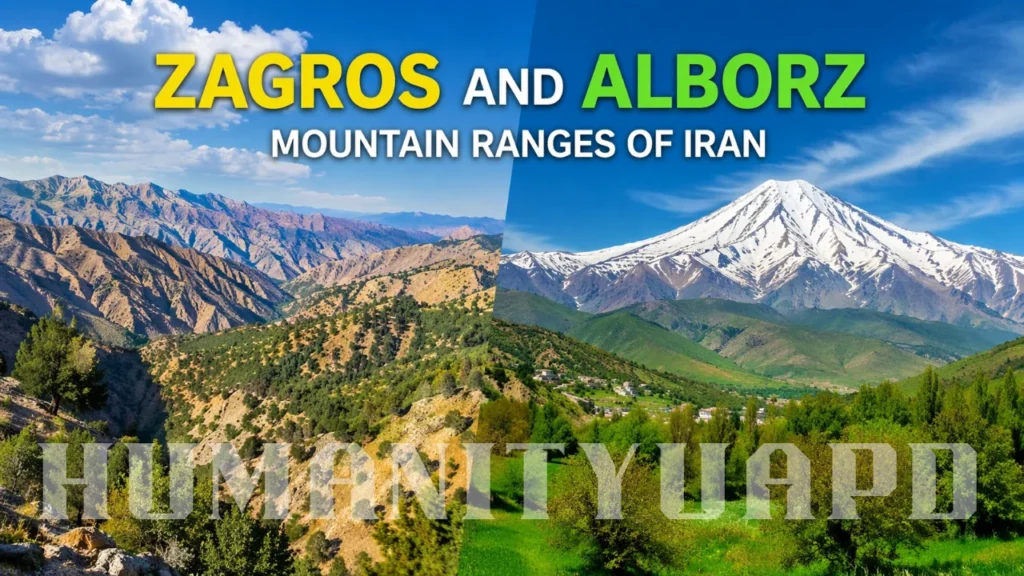
The Zagros and Alborz Mountain Ranges
The Zagros and Alborz mountain ranges are two of the most significant geological features in Iran, each contributing uniquely to the country’s diverse natural landscape. The Zagros Mountains extend approximately 1,500 kilometers, stretching from the northwest to the southeast of Iran and forming a vital barrier between the plains of Mesopotamia and the Iranian plateau. In contrast, the Alborz range is situated in the northern part of the country, running parallel to the southern coast of the Caspian Sea and encompassing around 900 kilometers of majestic peaks.
These mountain ranges were primarily formed during the collision of the Arabian and Eurasian tectonic plates, a process that began millions of years ago. This geological activity continues to shape the landscape, resulting in various geological formations and a unique topography. Among the peaks of the Alborz, the highest is Mount Damavand, which stands at 5,609 meters, making it the tallest volcano in Asia. In the Zagros range, the peak of Zard Kuh rises to 4,548 meters, showcasing the impressive elevations that characterize these mountains.
Both ranges play a critical role in Iran’s ecology and climate. The Zagros Mountains act as a climatic divide, significantly influencing the precipitation patterns across the region and creating a variety of microclimates that support diverse ecosystems. The Alborz range, with its lush forests and rich biodiversity, acts as a crucial reservoir for various flora and fauna, including several endemic species. These mountains not only enhance the aesthetic beauty of Iran but also provide essential resources and habitats that sustain local communities and wildlife.
👉 Table of Contents 👇
Geological Formation of the Zagros Mountains
The Zagros Mountains are a prominent mountain range in Iran, renowned for their complex geological history. These mountains primarily formed as a result of the collision between the Arabian and Eurasian tectonic plates, which initiated during the late Mesozoic era. The collision has been ongoing for approximately 50 million years, with significant geological activities shaping the landscape ever since. This tectonic activity has not only raised the mountains but also led to the development of various geological features, including folds, faults, and thrusts.
The Zagros Mountains are predominantly composed of sedimentary rocks, which include limestone, sandstone, and shale, formed from ancient marine environments. These rock types offer valuable insights into the geological processes that have occurred over millions of years. In addition, the presence of various fossilized organisms in these sedimentary layers provides critical evidence of past ecological conditions. The complex layering of these rocks showcases a significant aspect of the Earth’s history, particularly regarding the shifting seas that once covered the region.
The age of the Zagros Mountains varies significantly, depending on the specific location within the range. While some parts of the mountain system are relatively young, dating back a few million years, others exhibit older geological formations that can be up to several hundred million years old. Understanding the geological formation of the Zagros Mountains is crucial for geologists and researchers, as it sheds light on the broader tectonic processes that continue to shape our planet. Through the study of these mountains, scientists gain a clearer picture of Earth’s dynamic crust and the forces that have influenced its long-term evolution.
Geological Formation of the Alborz Mountains
The Alborz Mountain Range, which stretches across northern Iran, is primarily recognized for its unique geological formation, which has occurred over millions of years. This region is characterized by its diverse rock types and complex geological history that has significantly contributed to the understanding of mountain formation processes.
The formation of the Alborz Mountains can be traced back to the late Paleozoic era, approximately 300 million years ago. The collision of the Arabian plate with the Eurasian plate initiated the uplift of this mountain range. This tectonic activity is responsible for the current structural framework, which is marked by various geological formations, including limestone, granite, and metamorphic rocks. The presence of these rock types is pivotal for mineral exploration and provides insight into the environmental conditions that prevailed during different geological periods.
The evolutionary processes that shaped the Alborz Mountains involve several critical factors, including sediment deposition, metamorphism, and volcanic activity. The region has undergone significant geological changes due to tectonic forces, leading to the creation of prominent features such as high peaks, deep valleys, and rugged terrain. These features not only demonstrate the power of geological forces but also serve as indicators of the earth’s historical climate conditions.
Moreover, the ongoing tectonic activity continues to affect the Alborz range, leading to frequent seismic events, which highlights the dynamic nature of the region. Understanding the geological formation of the Alborz Mountains is essential for geologists and researchers as it provides crucial insights into the broader mechanisms of mountain initiation and evolution, serving as a model for similar geological formations worldwide.

Flora and Fauna of the Zagros Mountains
The Zagros Mountains, an impressive range located in western Iran, serve as a rich biodiversity hotspot. This mountainous region is characterized by its varied climatic zones, which support a wide array of flora and fauna. Home to many endemic species, the Zagros Mountains are crucial for both ecological stability and the preservation of biological heritage.
The unique climate gradients within the Zagros region contribute to the presence of diverse habitats, ranging from temperate forests to alpine meadows. The forests, composed mainly of oak and pistachio trees, offer a sanctuary for numerous animal species. Among these, the Persian leopard, the ibex, and various types of birds, including the black-headed bunting and the golden eagle, thrive in the mountainous terrain. The endemic Persian fallow deer, once considered critically endangered, has seen a resurgence due to conservation efforts in specific areas of the mountains.
Among plant species, the Zagros Mountains host impressive varieties of medicinal herbs and wildflowers. Species such as the Alpine rose and mountain thyme contribute to the ecological complexity of the area. These native plants are not only integral to local ecosystems but also play an essential role in the culinary practices and traditional medicine of the surrounding communities.
Conservation initiatives have been put in place to protect the unique biodiversity of the Zagros Mountains. The establishment of national parks and wildlife reserves aims to safeguard habitats while fostering sustainable land use practices among local populations. Collaborative projects involving local communities, government agencies, and conservation organizations are vital in promoting awareness and practical measures for the protection of this ecologically significant region.
Flora and Fauna of the Alborz Mountains
The Alborz Mountains, extending across northern Iran, are renowned for their rich ecological diversity, characterized by a unique blend of flora and fauna adapted to varying altitude and climatic conditions. These mountains feature several distinct ecosystems, ranging from lush forests in the lower elevations to alpine meadows and barren rock landscapes at higher elevations. As a result, the Alborz range is home to an impressive variety of species, many of which are endemic or found only in this region.
The lower slopes of the Alborz Mountains are predominantly covered with broadleaf and mixed forests, which support numerous plant species, including oak, beech, and hornbeam trees. These forests provide a crucial habitat for various mammals, birds, and insects. Higher up, as the altitude increases, the environment becomes harsher, leading to the development of sub-alpine and alpine habitats. In these regions, hardy plants such as alpine flowers, shrubs, and grasses thrive, demonstrating remarkable adaptations to withstand extreme temperatures and reduced oxygen levels.
Among the notable animal species inhabiting the Alborz Mountains is the Persian ibex, a mountain goat adept at navigating the steep terrains. Additionally, the region supports predator species such as wolves, leopards, and the endangered Persian cheetah, all of which play vital roles in maintaining ecological balance. However, these unique ecosystems face significant challenges due to human activities, climate change, and habitat loss. Conservation efforts are paramount in protecting both the flora and fauna, ensuring the long-term preservation of this invaluable region.
Climatic Influence of the Zagros and Alborz Ranges
The Zagros and Alborz mountain ranges play a crucial role in shaping the regional climate patterns of Iran and its surrounding areas. These mountains, due to their substantial altitudes, significantly affect weather systems, particularly through the phenomenon known as orographic lift. As moist air masses approach these ranges, they are forced to ascend, leading to cooling and condensation. This process enhances precipitation on the windward side of the mountains, resulting in a distinct difference in rainfall distribution between the two flanks.
The orographic lift effect produces lush ecosystems on the western side of the Zagros, where abundant moisture supports diverse flora and fauna. In stark contrast, the eastern slopes of the Zagros and the Alborz ranges often experience considerably less rainfall, leading to arid and semi-arid climates in those regions. This gradient in precipitation can be attributed to the topographical barriers presented by these mountain ranges, which modify the flow of prevailing winds and affect local humidity levels.
Temperature variations are another significant influence of the Zagros and Alborz mountains on the regional climate. Due to altitude changes, temperatures tend to decrease with elevation, leading to cooler conditions at higher altitudes compared to the surrounding lowlands. This variation creates distinct microclimates within the range, allowing for a unique array of habitats and agricultural practices. The cooler temperatures in the higher altitudes can support certain crop varieties that may not thrive in the warmer conditions of the valleys.
Moreover, the Zagros and Alborz mountains also influence seasonal weather patterns. For instance, during the winter months, snow accumulation in these mountains contributes to the water supply in downstream regions as it melts in the warmer seasons, which is vital for agriculture and water resources. Overall, the climatic influence of the Zagros and Alborz ranges is multi-faceted, significantly impacting both the environmental landscape and human activities in the region.
Cultural and Historical Importance of the Zagros and Alborz Mountains
The Zagros and Alborz mountain ranges have played a pivotal role in shaping not only the physical landscape but also the cultural, historical, and social dynamics of the regions they span. From ancient times, these mountains have served as natural barriers, influencing settlement patterns and agricultural practices. The communities that have flourished in these rugged terrains have often adapted their lifestyles to the unique challenges and opportunities provided by the mountains.
Historically, the Zagros mountains are believed to have been home to some of the earliest human settlements, which date back thousands of years. Archaeological evidence suggests that early civilizations used the abundant natural resources, including minerals and timber, for a variety of purposes. Agriculture in the valleys below the Alborz mountains has thrived due to the fertile lands and favorable microclimates, which have allowed for the cultivation of diverse crops, including grains, fruits, and vegetables.
The cultural significance of these mountain ranges extends to their impact on local folklore and traditions. Many communities hold the Zagros and Alborz mountains in reverence, often associating them with myths and legends that have shaped their identity. Festivals and ceremonies frequently draw on the themes of nature, and the mountains serve as backdrops for community gatherings and cultural expressions.
Over the centuries, these mountains have witnessed major historical events, including invasions and settlements that have contributed to their rich tapestry of stories. They have been strategic locations for controlling trade routes and facilitating interactions between various cultures. The interplay between the natural environment and human activity in the Zagros and Alborz mountain ranges highlights not just a geographic essence but a profound historical narrative that continues to evolve today.

Tourism and Recreation Opportunities
The Zagros and Alborz Mountain Ranges present a diverse array of tourism and recreational opportunities, attracting nature enthusiasts, adventure seekers, and cultural explorers alike. With stunning landscapes, rich biodiversity, and a range of activities, these mountains serve as a prominent destination for both local and international visitors.
Trekking is one of the most popular activities within these ranges, offering a chance to explore well-marked trails that showcase the unique geology and ecology of the regions. The Alborz Mountains boast some of the most famous trekking routes in Iran, such as the ascent of Mount Damavand, the highest peak in the country. This journey not only provides exceptional views but also allows trekkers to connect with local communities and gain insight into the region’s cultural heritage.
In addition to trekking, skiing is a favored winter activity in the Alborz Range. With numerous ski resorts, such as Tochal and Dizin, snow enthusiasts can enjoy high-quality slopes and facilities. These resorts feature a variety of runs suited for different skill levels and offer additional amenities such as equipment rentals and ski schools. The ski season typically lasts from December to April, making it a prime time for winter sports tourism.
Moreover, both mountain ranges provide opportunities for unique experiences. Wildlife observation is particularly rewarding, as visitors may encounter various species, including the Persian leopard and diverse birdlife. Eco-tourism initiatives in the area focus on sustainable practices and conservation efforts, enhancing the overall visitor experience while promoting environmental awareness.
As awareness of the geological and ecological significance of the Zagros and Alborz Mountain Ranges grows, so does the potential for responsible tourism. With emphasis on preserving natural habitats and showcasing local culture, these mountains serve as a vital resource for both recreation and education.
Frequently Asked Questions (FAQs)
The Zagros and Alborz mountain ranges, prominently located in Iran, are rich in geological and ecological significance. This section addresses some common questions concerning these remarkable formations, aiding readers in their understanding.
What is the geological history of the Zagros mountains?
The Zagros mountains emerged due to the collision between the Arabian and Eurasian tectonic plates approximately 40 million years ago. This tectonic activity has led to the formation of extensive fold-and-thrust belts, which characterize the region’s unique geology. Furthermore, ongoing geological processes continue to shape its landscape and contribute to its natural beauty.
How do the Alborz mountains differ from the Zagros range?
While both mountain ranges are situated in Iran, the Alborz mountains are typically characterized by their north-south orientation, resembling a volcanic arc. They also possess a slightly higher average elevation than the Zagros. Additionally, the Alborz range is closely associated with the Caspian Sea’s climate, resulting in diverse ecological zones compared to the more arid conditions found in parts of the Zagros mountains.
What types of biodiversity are present in these mountain ranges?
Both the Zagros and Alborz regions host a wide variety of flora and fauna. The Zagros mountains are home to unique species such as the Persian gazelle and the Zagros oak, whereas the Alborz range contains species like the Caspian snowcock. The rich biodiversity here is largely attributed to the varied climatic conditions and altitudes experienced throughout these mountainous areas.
How do human activities impact the ecosystems of the Zagros and Alborz ranges?
Human activities, including deforestation, mining, and urban development, have significantly impacted the ecosystems of both mountain ranges. These activities can lead to habitat destruction, fragmentation, and a decline in species diversity. Conservation efforts are increasingly important to mitigate these effects and preserve the natural heritage of these remarkable landscapes.

Share this:

Discover more from HUMANITYUAPD
Subscribe to get the latest posts sent to your email.