
Lyari and Karachi: 9 Amazing Reality Facts (2025)
Lyari and Karachi
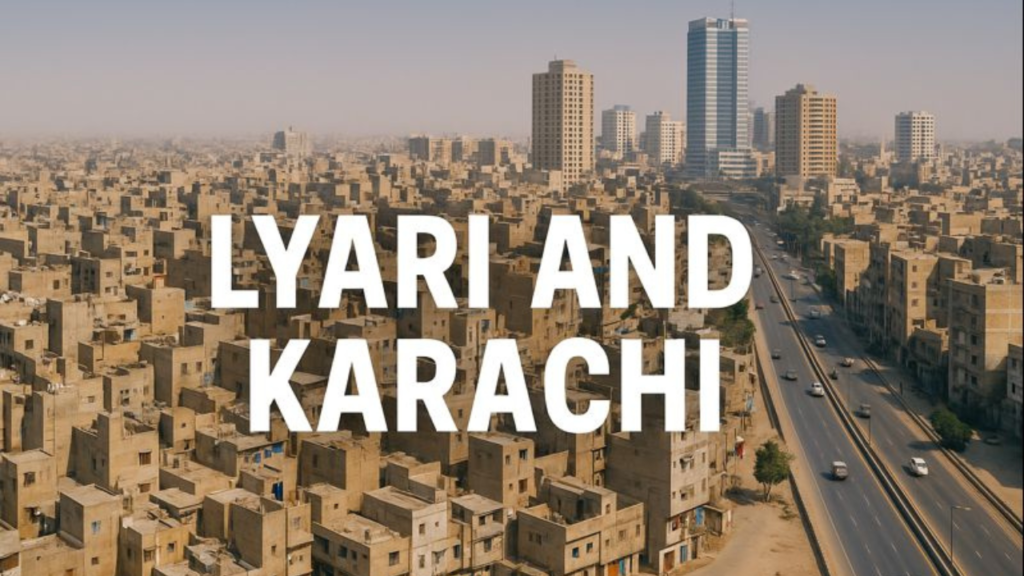
Lyari and Karachi are two significant areas in Pakistan, with distinct characteristics that contribute to the larger tapestry of the nation. Karachi, the largest city and the economic hub of Pakistan, is located along the southern coastline of the country. This metropolis boasts a diverse population, with an estimated 20 million residents representing various ethnicities, cultures, and socioeconomic backgrounds. The city’s rapid urbanization over the years has established it as a vital center for trade, commerce, and industry, while also presenting socio-economic challenges such as infrastructure strain and regional disparities.
In contrast, Lyari is a historic neighborhood within Karachi, known for its rich cultural heritage and strong community bonds. Situated to the southwest of the city center, Lyari has a population of approximately 800,000 residents, primarily composed of Muhajirs and Sindhi ethnic groups. Throughout its history, Lyari has faced numerous challenges, including poverty, violence, and neglect; however, it remains a vibrant community with a unique identity. Despite its struggles, the area is often overlooked in broader discussions regarding urban development and social progress in Karachi.
This blog post aims to scientifically explore the evolution of Lyari and Karachi, examining critical social, environmental, and economic factors that have influenced their development. By focusing on these aspects, we seek to enhance understanding and awareness of the challenges faced by these regions, alongside the resilience of their communities. The investigation will draw upon various disciplines, employing data-driven analysis to provide insights into the ongoing transformation of these dynamic locations. Through this exploration, we hope to contribute to a more comprehensive understanding of Lyari and Karachi within the broader context of urban studies and development in Pakistan.
➡️ Table of Contents ⬇️
Historical Background of Karachi and Lyari
The historical evolution of Karachi and its adjacent area, Lyari, presents a fascinating narrative marked by migration patterns, administrative boundary changes, and diverse socio-economic developments. Established in the early 18th century, Karachi originally served as a modest fishing village inhabited by the Sindhi people. Its strategic location along the Arabian Sea paved the way for its transformation into a bustling port city in the 19th century, particularly during British colonization. The influx of migrants, both from within and outside the region, catalyzed rapid urban expansion that altered the demographic landscape significantly.
By the late 1800s, Karachi had morphed into one of the subcontinent’s major ports, leading to the establishment of a range of administrative structures to manage its increasing complexity. The partition of British India in 1947 further exacerbated migration trends, as significant numbers of refugees from India flocked to Karachi, resulting in a demographic shift that was notably evident in residential enclaves like Lyari. This area’s development trajectory radically changed, transforming it into one of Karachi’s most diverse neighborhoods with a unique cultural identity.
The impact of globalization is also critical in understanding the historical context of Lyari and Karachi. The liberalization of markets in the 1990s stimulated economic opportunities, albeit leading to increased socio-economic disparities. As urbanization continued to rise, the complexities within the administrative boundaries of Karachi began to intensify. Various localities, including Lyari, faced challenges related to infrastructure development while simultaneously benefitting from the burgeoning opportunities that the commercial environment created. This intricate history highlights how local migration patterns, colonial influences, and global economic trends have contributed to the dynamic evolution of Karachi and Lyari, intertwining their destinies in the broader narrative of urban development.
Geography and Climate of Lyari and Karachi
The geography and climate of Lyari and Karachi play a pivotal role in shaping the lifestyle and economy of their residents. Karachi, as the largest city in Pakistan, boasts a diverse topography that includes coastal areas along the Arabian Sea, inland plains, and hilly regions in the north. Lyari, located within the urban confines of Karachi, features a mix of densely populated residential zones and socio-economically diverse communities. The proximity to the coast contributes to Karachi’s vibrant maritime activities, serving as a major port city that drives trade and commerce.
The coastal environment of Karachi is characterized by a humid subtropical climate, influenced by monsoon seasons and varying temperature ranges. Summers typically extend from April to June, when temperatures can soar above 40°C, creating heat challenges for the population. Conversely, winter months from November to February bring relatively cooler weather, with temperatures dipping to around 10°C. Rainfall is concentrated during the monsoon season, particularly in July and August, affecting agricultural practices and water availability in both Karachi and Lyari.
This distinctive climate also poses environmental challenges, such as urbanization, which leads to increased pollution levels and straining of local resources. Rapid population growth has exacerbated these challenges, prompting the need for sustainable development strategies. Pollution from industrial activities, vehicular emissions, and waste management issues are prevalent, contributing to deteriorating air quality and public health concerns. Furthermore, climate change has intensified the effects of these environmental challenges, including rising sea levels which threaten coastal habitats and the overall livelihood of communities relying on fishing and related industries.
Addressing these issues is essential for the future viability and resilience of both Lyari and Karachi, with ongoing efforts focusing on sustainable urban planning and environmental protection strategies aimed at mitigating the adverse impacts of climate change and pollution.

Demographic and Cultural Insights
Karachi, one of the largest cities in Pakistan, is characterized by its vast demographic diversity, with a population of over 14 million residents. This sprawling metropolis is home to a multitude of ethnic groups, including Muhajirs, Sindhis, Baloch, Pashtuns, and Punjabis, among others. The ethnic composition of Karachi has led to a rich tapestry of cultures, languages, and traditions that define the identities of its inhabitants. In contrast, Lyari, a neighborhood within Karachi, presents a unique demographic representation that reflects both the broader trends of the city and its distinct identity.
Lyari is predominantly populated by Sindhi-speaking residents, with many Baloch and Muhajir communities also residing in the area. The population density in Lyari is notably high, which has resulted in a close-knit community structure. This density fosters strong interpersonal relationships and interactions among residents, where collective identity often supersedes individualism. The social fabric of Lyari is intricately woven through various cultural practices, festivals, and communal gatherings that serve to enhance community bonds.
The linguistic diversity within Karachi is significant, with Urdu serving as the lingua franca. However, regional languages such as Sindhi, Balochi, and Pashto enrich the cultural landscape. Language plays a critical role in shaping cultural self-identities and reflects the historical journey of its speakers. In both Karachi and Lyari, traditional music, art forms, and culinary practices showcase the cultural richness that arises from this diversity. Community events often highlight local customs, allowing for the vibrant sharing of traditions, which further promotes cultural understanding and cohesion among the residents.
Overall, the demographics of Lyari and Karachi profoundly influence their cultural identities. The social structures, ethnic diversity, and communal interactions culminate in distinctive environments that resonate with the heritage of their people.
Economic Landscape: Opportunities and Challenges
The economic landscape of Lyari and Karachi presents a complex interplay of opportunities and challenges. Karachi, being the largest city in Pakistan, is a commercial hub, contributing significantly to the national economy through diverse industries such as textiles, manufacturing, and the service sector. Specifically, Lyari, a densely populated neighborhood within Karachi, has shown potential despite its socio-economic challenges. The residents are engaged in various small-scale enterprises ranging from fishing to local retail, showcasing the entrepreneurial spirit endemic to the area.
According to recent statistics, employment rates in Karachi fluctuate significantly. While the city is a magnet for job seekers from across the country, the rapid influx has led to increased competition and, paradoxically, heightened unemployment levels in specific sectors. Lyari has experienced high unemployment rates, exacerbated by a lack of infrastructural development and limited access to resources. However, the region’s rich cultural heritage and vibrant community can serve as a foundation for economic revitalization.
In exploring economic contributions, it is vital to consider successful local businesses that have emerged in Lyari. Case studies of small enterprises, such as local food vendors and artisans, reveal how grassroots initiatives can drive economic development. Despite facing obstacles like inadequate funding and harsh market conditions, these businesses illustrate resilience and adaptability. Achieving economic growth will require collaborative efforts from public and private sectors to address the infrastructural deficits and enhance workforce skills.
Overall, while Lyari and Karachi face considerable challenges in fostering economic development, the opportunities presented by local entrepreneurship and the city’s strategic economic position can stimulate growth. Initiatives aimed at improving infrastructure and resource allocation are essential to unlocking the full economic potential of these regions.
Social Issues: Education, Health, and Inequality
The communities in Lyari and Karachi have been grappling with a range of social issues significantly impacting their quality of life. Education remains a critical focal point, with literacy rates in Lyari hovering around 50%, considerably lower than the national average of approximately 59%. This gap in education access greatly hinders the socio-economic opportunities available to the youth, perpetuating a cycle of poverty. Grassroots organizations, such as Shafaqat Foundation, have made strides toward bridging this divide by providing educational resources and support to underprivileged students, emphasizing the importance of community involvement in facilitating educational progress.
Healthcare access is another pressing concern in these regions. An alarming statistic indicates that only 40% of the population in Karachi has access to quality healthcare services. This limited access can lead to worsening health outcomes, particularly for vulnerable populations in Lyari. Non-governmental organizations (NGOs), like the Indus Hospital, have been instrumental in addressing healthcare disparities, offering free medical services and support to those in need. Such efforts are critical in ensuring that basic health services reach every corner of these communities.
Social inequality also remains a persistent issue, manifesting through stark discrepancies in income levels, gender inequality, and overall living conditions. According to the Pakistan Bureau of Statistics, the poverty rate in Karachi is approximately 25%, with Lyari experiencing even higher levels. The unequal distribution of resources exacerbates material deprivation, hindering opportunities for upward mobility. Community-led initiatives are crucial, as they actively promote awareness and advocate for policy changes aimed at addressing these inequalities. Such grassroots movements play a pivotal role in fostering a more equitable society.
In conclusion, the challenges surrounding education, healthcare, and social inequality in Lyari and Karachi call for concerted efforts from both local organizations and government entities. By prioritizing these social issues, comprehensive strategies can be developed to facilitate lasting change in these communities.
Urban Development: Infrastructure and Housing
The urban development landscape of Lyari and Karachi is marked by a complex interplay of growth, challenges, and innovative responses to pressing issues. As two pivotal neighborhoods within Karachi, they reflect broader trends in urbanization, particularly in developing nations. Existing infrastructure, notably transportation systems, plays a critical role in the daily lives of residents and the economic vitality of these areas. Karachi’s extensive bus and ride-sharing networks have been essential in connecting communities; however, the coverage often leaves much to be desired, especially in underserved regions like Lyari.
Housing remains a significant challenge in Lyari and Karachi, with rapid population growth outpacing the development of adequate housing solutions. The burgeoning informal settlements often lack basic amenities and infrastructure, complicating urban planning efforts. This dire situation is exacerbated by a sanitation crisis, where inadequate waste disposal and management systems pose risks to public health. Moreover, urban planning in these areas frequently faces obstacles such as limited governmental oversight, financial constraints, and socio-political factors that hinder cohesive development strategies.
In response to these challenges, local governments and non-governmental organizations are implementing various innovative projects aimed at enhancing livability. Initiatives focused on upgrading slums, introducing community-owned sanitation programs, and enhancing public transport services are steps towards fostering sustainable urban growth. Additionally, the implementation of smart city concepts, integrating technology into urban management, aims to create more resilient infrastructures. Such projects reflect a growing awareness of the need to balance development with social equity, ensuring that all residents can benefit from improved living conditions and services.
Ultimately, the ongoing evolution of urban development in Lyari and Karachi is a testament to the resilience and adaptability of its residents, while highlighting the pressing need for sustained efforts towards creating a more inclusive and sustainable urban environment.

Environmental Challenges: Sustainability and Conservation
The urban areas of Lyari and Karachi face a multitude of environmental challenges that significantly impact their sustainability and conservation efforts. Among these, waste management poses a considerable concern. The rapid population growth in Karachi has led to an exponential increase in waste generation. Inefficient waste collection systems contribute to litter and illegal dumping, which in turn exacerbate problems such as water contamination and habitat destruction. Effective waste management strategies, including recycling and composting initiatives, are essential for mitigating these adverse effects on the local environment.
Water scarcity is another critical issue that urban populations in these regions confront. With rising temperatures and erratic rainfall patterns due to climate change, accessing clean and sufficient water has become increasingly difficult. The overexploitation of groundwater and pollution of water bodies hamper the availability of safe drinking water. Local governments, in collaboration with various non-governmental organizations (NGOs), are working towards implementing sustainable water management practices. These include rainwater harvesting, watershed management, and the restoration of natural aquifers, which are crucial for improving water availability in the long run.
Air pollution further complicates the environmental landscape in Karachi and Lyari. Emissions from vehicles, industrial activities, and construction work contribute to deteriorating air quality, which poses serious health risks to residents. Addressing air pollution requires a multi-faceted approach, including enforcing stricter emission standards and promoting public transportation systems to reduce vehicular congestion. Community awareness campaigns also play a vital role in encouraging residents to adopt environmentally friendly practices, thereby ensuring healthier living conditions.
The importance of conservation practices cannot be overstated. Sustainable development in urban regions is not merely an environmental prerogative but also a social necessity. By promoting green spaces, biodiversity conservation, and responsible land-use planning, local authorities and NGOs can help foster resilience against environmental challenges while enhancing the quality of life for residents in Lyari and Karachi.
Frequently Asked Questions (FAQs)
Lyari and Karachi, two interconnected areas in Pakistan, have their own unique characteristics and common queries surrounding them. This section aims to address frequently asked questions to provide clarity and understanding for those interested in exploring these regions.
What are the travel options available to Lyari and Karachi?
Traveling to Karachi is convenient, as it is served by Jinnah International Airport, which connects to various domestic and international destinations. Within Karachi, public transport options, including buses, rickshaws, and ride-hailing services, make it easy to reach Lyari. The area is also accessible by road, with numerous local and intercity connections. For those opting for public transit, the city’s extensive bus network can be utilized.
Is it safe to travel to Lyari?
Safety is an important consideration for potential visitors. While Lyari has faced challenges in the past, it has made strides in improving its security situation. Travelers are advised to stay updated through local news, connect with residents, and follow travel advisories from authorities. Additionally, visiting during the daytime and engaging local guides can enhance safety and provide insights into the region’s culture.
What cultural practices are observed in Lyari?
Lyari boasts a rich tapestry of cultural practices influenced by the diverse communities residing there. Music, dance, and traditional festivals are integral to the local lifestyle. The famous Lyari Ka Dhamal, a traditional dance, is often performed at weddings and community gatherings. Moreover, the area has a vibrant food scene with local delicacies that are a testament to its culinary heritage.
What is the living condition in Lyari?
Living conditions in Lyari vary across different neighborhoods. While some areas face challenges related to infrastructure and resources, community efforts are underway to improve these situations. Public facilities, education, and healthcare services are being prioritized by local initiatives, aimed at enhancing the quality of life for residents. It is essential to conduct thorough research when considering a move to Lyari.
By addressing these commonly asked questions, potential visitors and residents can gain valuable insights into Lyari and Karachi, aiding their understanding and enhancing their experience in these dynamic areas.

Share this:

Discover more from HUMANITYUAPD
Subscribe to get the latest posts sent to your email.