
Sex Trafficking: 7 Dark Facts Everyone Must Know
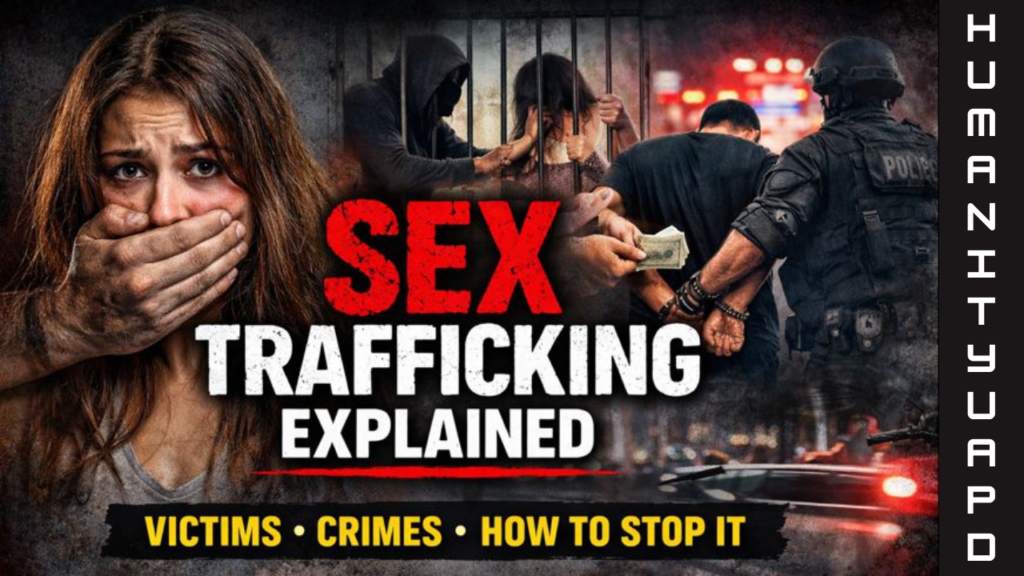
Sex Trafficking
Sex trafficking is a complex and grave violation of human rights, characterized by the recruitment, transportation, transfer, harboring, or receipt of individuals for the purpose of sexual exploitation. This issue remains a pervasive global concern, affecting millions of men, women, and children across various countries and regions. The United Nations reports that trafficking in persons, particularly women and children, has reached alarming rates, highlighting the urgent need for comprehensive measures to tackle this human rights abuse.
Various forms of sex trafficking exist, which include forced prostitution, sexual exploitation of minors, and trafficking for the purposes of pornography. Traffickers often prey on vulnerable populations, exploiting factors such as poverty, lack of education, and social isolation. In doing so, they perpetuate cycles of abuse and deprivation, further marginalizing victims and diminishing their chances of reintegration into society. A nuanced understanding of these different forms is critical in developing targeted strategies to combat trafficking effectively.
Statistics illustrate the scale of the problem; according to recent reports by the International Labor Organization (ILO), trafficking generates an estimated $99 billion annually, predominantly from commercial sexual exploitation. This staggering figure underscores the profitability of the crime and highlights the need for increased global cooperation in law enforcement, victim support, and prevention efforts. Furthermore, it is vital to acknowledge the intersectionality of sex trafficking with other societal issues, such as gender inequality and economic instability, which exacerbate the vulnerability of victims.
Addressing sex trafficking requires coordinated action among governments, NGOs, and communities, emphasizing the importance of education and awareness. Effective prevention strategies can empower individuals with the knowledge and resources needed to resist the manipulations of traffickers. By fostering a deeper understanding of sex trafficking, society can work towards dismantling the structures that allow these heinous acts to persist.
➡️ Table of Contents ⬇️
Understanding the Dynamics of Sex Trafficking
Sex trafficking is a complex phenomenon characterized by various mechanisms and dynamics that facilitate the exploitation of individuals. One critical aspect is the recruitment tactics employed by traffickers, who frequently target vulnerable populations such as those experiencing poverty, homelessness, or social dislocation. This targeting can occur in communities with limited resources or in environments where support systems are weak, making individuals more susceptible to manipulation and coercion.
Traffickers often utilize deceptive promises of employment, education, or a better lifestyle to lure victims. This exploitation can also happen through exploitative relationships where trust is established initially, only to be broken when the victim is ensnared in a cycle of dependency and abuse. Furthermore, the Internet has become a prevalent channel for traffickers to reach potential victims, leveraging social media and online platforms to groom victims over time.
Coercion methods play a significant role in sustaining sex trafficking. Techniques vary from emotional manipulation to physical violence, and even threats against the victim’s family. Victims may be misled about their freedom to leave or their legal status, rendering them powerless. Traffickers may instill fear and maintain control through psychological tactics, ensuring that victims remain compliant and subservient.
The role of organized crime cannot be understated in the realm of sex trafficking. Criminal networks orchestrate and facilitate this illicit trade, often operating across borders. They orchestrate recruitment, transport, and exploitation of victims. Such organized operations pose significant challenges for law enforcement and anti-trafficking efforts, as they are often deeply entrenched in corrupt practices and illegal industries.
In summary, understanding the dynamics of sex trafficking involves recognizing the recruitment strategies, coercive tactics, and the pervasive influence of organized crime. Acknowledging these factors is essential for developing effective intervention and prevention strategies that aim to combat this grave violation of human rights.
The Psychological and Physical Effects of Sex Trafficking
Sex trafficking inflicts profound psychological and physical harm on its victims, manifesting in a variety of traumatic symptoms that can persist long after their escape from captivity. Victims frequently experience severe psychological trauma, including post-traumatic stress disorder (PTSD), depression, and anxiety disorders. The instability and unpredictability of their experiences can lead to a sense of helplessness and hopelessness, deeply affecting their mental well-being.
Research indicates that survivors of sex trafficking are at a significantly higher risk for developing mental health issues compared to the general population. Studies reveal that up to 90% of these individuals struggle with PTSD, which may be characterized by reliving their trauma, severe emotional distress, and avoidance of cues reminiscent of their experiences. Moreover, feelings of shame and guilt often accompany the trauma, complicating the healing process and deteriorating self-esteem.
Physically, victims of sex trafficking are often subjected to violence and abuse. This can result in long-term health issues, such as chronic pain, sexually transmitted infections, and reproductive health problems. The frequent exposure to physical harm not only causes immediate injuries but can also lead to lasting physical disabilities. As a result, the survivors might face ongoing health challenges that compound their psychological struggles.
The isolation and dehumanization experienced by victims further exacerbate their difficulties. Many survivors report difficulties reintegrating into society due to the stigma associated with their experiences and fear of judgment. This isolation can hinder their access to necessary mental health support and healthcare services, creating a cycle of trauma that is hard to break. Addressing the complex psychological and physical effects of sex trafficking is crucial for recovery, necessitating comprehensive support services that foster healing and reintegration into society.

Legal Frameworks Against Sex Trafficking
Sex trafficking is a complex issue that necessitates a robust legal framework to protect victims and hold perpetrators accountable. The United States has made significant strides in combating this heinous crime through laws such as the Trafficking Victims Protection Act (TVPA), enacted in 2000. The TVPA not only focuses on the prosecution of traffickers but also emphasizes the importance of victim support and assistance. It aims to prevent trafficking through awareness campaigns and criminalizes the act of trafficking individuals for sexual exploitation.
Internationally, various agreements aim to tackle sex trafficking, such as the Protocol to Prevent, Suppress and Punish Trafficking in Persons, especially Women and Children, a supplement to the United Nations Convention against Transnational Organized Crime. This protocol sets minimum standards for countries to adopt in their legal systems to combat trafficking. It urges nations to criminalize trafficking in persons and to offer protection and support to victims. However, the effectiveness of these frameworks often varies significantly by country due to differences in legal definitions, cultural attitudes, and enforcement capabilities.
Despite the existence of these laws and international agreements, significant legal gaps persist, hindering the fight against sex trafficking. Many countries struggle with insufficient resources, lack of trained personnel, and inadequate legal definitions that leave room for exploitation. Additionally, the cross-border nature of trafficking complicates enforcement efforts, as traffickers may exploit jurisdictions with weaker laws. Consequently, a coordinated global response is necessary, along with comprehensive legal reforms to rectify these shortcomings. By strengthening the legal frameworks and promoting international cooperation, the battle against sex trafficking can be more effectively addressed.
Case Studies: Sex Trafficking Around the World
Sex trafficking is a global issue that varies widely across different regions due to a complex interplay of cultural, economic, and social factors. One notable case is found in Southeast Asia, where poverty and lack of education create a fertile ground for exploitative practices. Countries like Thailand and Cambodia are often highlighted for their booming sex tourism industries, which can lead to local women and children being trafficked for exploitative purposes. The intersection of economic necessity and a lack of strict legal frameworks enables traffickers to thrive in these environments.
In Eastern Europe, particularly in nations such as Ukraine and Romania, economic hardship coupled with political instability has led to a surge in trafficking. Many individuals are lured with promises of legitimate employment opportunities in Western Europe, only to find themselves trapped in the sex trade. Stories from survivors reveal the harrowing experiences they endured, including isolation and abuse, highlighting the disparity between the perceived opportunity and the grim reality of their situation.
Furthermore, in countries affected by armed conflict, such as Syria, the sex trafficking landscape reveals a different dimension. Displacement and desperation during war exacerbate the vulnerabilities of women and children, making them prime targets for traffickers. Humanitarian crises often lead to an increase in the exploitation of victims, as the demand for sexual services rises amidst chaos and instability. Survivors’ accounts provide profound insights into their journeys, showcasing resilience amid adversity.
Unique challenges are presented in every region, where societal stigma, insufficient legal protections, and lack of resources hinder efforts to combat sex trafficking. Awareness and education play critical roles in addressing this grave humanitarian issue, emphasizing the need for comprehensive strategies tailored to the specific cultural and economic contexts of affected nations.
Prevention and Awareness Strategies
Combating sex trafficking requires a multifaceted approach that involves communities, organizations, and governments working together to create effective prevention strategies. One of the primary initiatives involves raising awareness about the existence and realities of sex trafficking. Awareness campaigns can be instrumental in educating the public, and they can significantly change perceptions about victims and perpetrators alike.
Education plays a critical role in prevention. Schools and community organizations can implement educational programs aimed at informing individuals, particularly young people, about the risks associated with trafficking and the signs to look out for. These programs can provide valuable resources that empower individuals to identify and report suspicious activity. Furthermore, educational initiatives should include information about safe online practices, as the internet is often used to facilitate trafficking.
Community involvement is also crucial in the broader effort to combat sex trafficking. Encouraging community members to actively participate in local anti-trafficking initiatives can lead to a stronger support network for victims. Local groups can organize workshops, information sessions, and community discussions that not only educate but also foster a community spirit of vigilance and action against trafficking.
Moreover, collaboration among law enforcement agencies, non-profits, and other stakeholders is vital. These entities can work together to create comprehensive strategies that integrate prevention, victim support, and law enforcement training. By reinforcing the importance of reporting trafficking cases and ensuring victims receive the necessary assistance, communities can create an environment where trafficking is increasingly difficult to perpetrate.
In conclusion, the fight against sex trafficking is a shared responsibility. Through awareness campaigns, education, and community engagement, it is possible to implement effective strategies that can significantly reduce the incidence of this crime and support those affected.
Support Services for Survivors of Sex Trafficking
The journey towards recovery for survivors of sex trafficking is complex and multifaceted, necessitating a wide range of support services tailored to their individual needs. Survivors often experience physical and psychological trauma, making comprehensive care essential. Various organizations and initiatives have dedicated resources to provide effective support services, ensuring that survivors can access the help they need.
Counseling services play a crucial role in helping survivors process their experiences and begin the healing journey. Trauma-informed therapy approaches are particularly important, as they acknowledge the specific psychological impacts of trafficking and focus on empowering survivors. Mental health professionals often work closely with survivors, offering therapeutic approaches that facilitate the development of coping strategies, building resilience, and restoring self-esteem.
Additionally, legal aid services are vital for survivors navigating the complex legal landscape that often accompanies trafficking cases. These services can assist with everything from filing for victim status to addressing issues such as expunging criminal records acquired during exploitation. Having accessible legal support can empower survivors to reclaim their rights and facilitate their reintegration into society.
Health care services, including medical assistance and access to reproductive health care, are equally important. Survivors may face a variety of health issues as a result of their experiences, and timely medical intervention can dramatically improve their physical well-being. This includes services that address sexually transmitted infections (STIs), mental health disorders, and other health concerns that may arise from trafficking.
Rehabilitation programs designed for survivors also focus on skill development and employment assistance, creating pathways to financial independence. Such programs often incorporate education and vocational training, helping survivors build sustainable futures. By offering tailored approaches and comprehensive support, service providers can effectively assist survivors of sex trafficking in overcoming their challenges and reclaiming their lives.

The Role of Technology in Combatting Sex Trafficking
Technology plays a dual role in the realm of sex trafficking. On one hand, it serves as a tool exploited by traffickers to facilitate illegal activities; on the other hand, it offers essential resources and strategies to combat these heinous crimes. The advancement of digital platforms has significantly affected the landscape of both trafficking and prevention.
One of the critical innovations in fighting sex trafficking is the development of tracking and reporting systems. These technologies enable law enforcement agencies and NGOs to identify trafficking patterns through data analytics. For instance, algorithms can process vast amounts of data from various sources, including online advertisements and social media interactions, helping to pinpoint suspicious activities. This proactive approach allows authorities to respond swiftly and disrupt trafficking networks.
Moreover, mobile technology has become increasingly beneficial in the hands of victims. Apps and text lines provide essential access to support services while simultaneously enhancing their safety. Victims can discreetly seek help, report their situation, or even connect to local authorities without immediate fear of detection from their traffickers. Similarly, technology enables the creation of awareness campaigns which educate potential victims about the signs of trafficking and available resources, fostering a more informed public.
Despite its detrimental uses, the role of online platforms in prevention cannot be understated. Advocates are leveraging these platforms not only to raise awareness but also to mobilize resources and communities against sex trafficking. Collaboration between tech companies, law enforcement, and non-profit organizations is crucial in creating an integrated approach that emphasizes prevention, enforcement, and victim support.
In conclusion, while technology has enabled sex traffickers to operate with greater anonymity and efficiency, it also provides powerful tools for prevention and enforcement. Emphasizing collaboration, innovation, and education is paramount in the ongoing fight to eradicate sex trafficking, not only using technology but also through community engagement and shared resources.
FAQs About Sex Trafficking
Sex trafficking is a significant issue that affects millions worldwide, often shrouded in misconceptions. Understanding the facts and clarifying common questions is essential for effective prevention and support for victims.
What is sex trafficking?
Sex trafficking refers to the illegal trade of individuals for sexual exploitation. This practice involves coercion, manipulation, or deceit to control victims, often depriving them of their freedom and rights. It is vital to recognize that sex trafficking can occur in various forms, including prostitution and pornography, and may involve both forced and voluntary participants under extreme duress.
How can one identify signs of trafficking?
Recognizing the signs of sex trafficking is critical in responding appropriately to suspected cases. Indicators include individuals who seem fearful, lack identification, are unable to speak freely, show signs of physical abuse, or are frequently controlled by someone else. Others might be found in high-traffic areas or working in brothels or escort services. Notably, traffickers often use psychological manipulation as a means of control, making awareness crucial.
How can I support victims of sex trafficking?
Supporting victims begins with listening and providing a safe space. If you suspect someone is a victim, it is essential to contact local authorities or organizations specializing in trafficking intervention. These organizations often have trained professionals who can offer appropriate care, legal support, and rehabilitation services necessary for recovery.
What effects does sex trafficking have on victims?
Victims of sex trafficking endure profound psychological and physical repercussions. Although the effects may vary among individuals, common consequences include mental health issues such as PTSD, anxiety, depression, and substance abuse. Additionally, victims may struggle with reintegration into society, facing stigma or lack of resources, further complicating their recovery journey.
In conclusion, addressing sex trafficking requires education and awareness. By understanding the facts, recognizing the signs, and knowledging how to support victims, communities can play a pivotal role in combating this pervasive issue.

Share this:

Discover more from HUMANITYUAPD
Subscribe to get the latest posts sent to your email.