
The Middle East Mystery: Power, Oil & Ancient Secrets (2026)
The Middle East
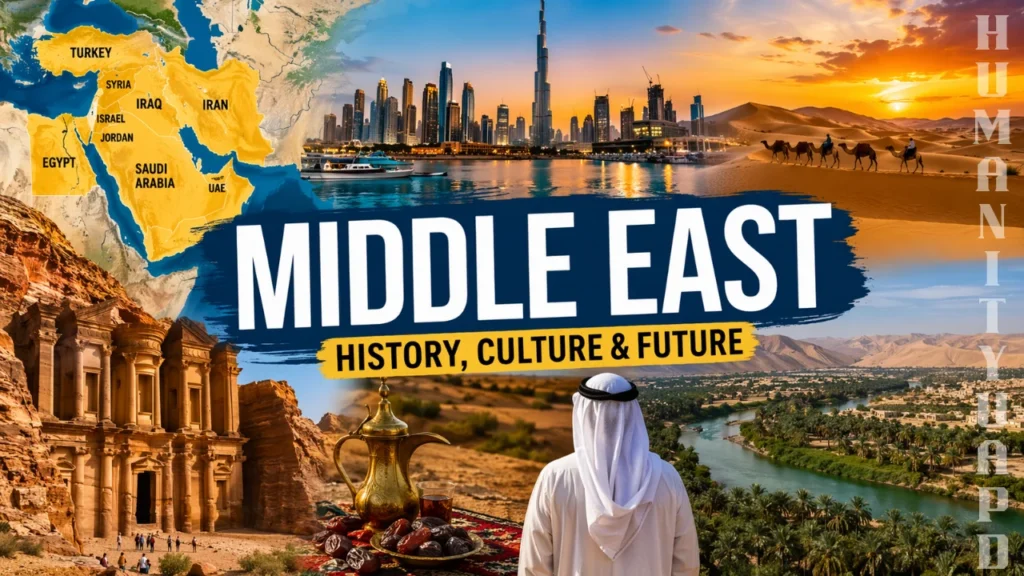
The Middle East is a region that holds a remarkable position in the world, geographically and historically. Stretching from the eastern Mediterranean Sea to the Persian Gulf, and encompassing parts of North Africa and Central Asia, this area is characterized by its vast deserts, fertile valleys, and significant waterways such as the Nile and Tigris-Euphrates rivers. The Middle East is often defined politically by the borders of its nations, which include countries like Saudi Arabia, Iran, Iraq, Egypt, Israel, and Turkey, among others.
The significance of the Middle East extends beyond its geography; it is often referred to as the cradle of civilization due to its historical contributions to human development. The region has been a melting pot of diverse cultures, languages, and religions for centuries, including Islam, Christianity, and Judaism, each playing a vital role in shaping the social fabric. The crossroads nature of the Middle East has facilitated trade routes since ancient times, making it a hub for economic exchange and cultural interactions.
In modern times, the Middle East continues to be economically significant due to its abundant natural resources, primarily oil and natural gas, which have shaped global energy markets. However, the region’s diverse economies also include agriculture, tourism, and finance, contributing to its complex and multifaceted identity. The geopolitical landscape of the Middle East is marked by both collaboration and conflict, influencing international relations and global policies. Therefore, understanding the intricate tapestry of the Middle East is crucial for appreciating its role on the world stage, as this region continues to evolve amidst changing cultural, economic, and political dynamics.
👉 Table of Contents 👇
Geological Features and Natural Resources
The Middle East is characterized by a diverse range of geological features, which significantly shape its landscape and influence its natural resources. Among the most prominent geographical traits are the mountain ranges, deserts, and significant rivers. The Zagros Mountains, located in Iran, and the Taurus Mountains in Turkey create formidable elevations that define the region’s topography. These mountains not only provide stunning views but also harbor unique ecosystems that contribute to the biodiversity of the Middle East.
Another major landscape feature is the Arabian Desert, which hosts vast expanses of sand dunes and rocky plateaus, making it one of the largest deserts in the world. The harsh climate and arid conditions of this area have imposed limitations on agriculture, necessitating innovations in resource management. The rivers, most notably the Tigris and Euphrates, are lifelines for many countries, supporting agriculture and providing water for millions. These rivers are essential for irrigation, sustaining the population, and playing a crucial role in the development of ancient civilizations.
Economically, the Middle East is renowned for its vast natural resources, particularly oil and natural gas. Countries such as Saudi Arabia, the United Arab Emirates, and Kuwait possess some of the largest oil reserves globally, making the region pivotal in the energy market. The revenue generated from oil exports has a profound impact on the economic prosperity of these nations, propelling rapid urban development and infrastructure projects. Moreover, the region also contains valuable minerals, including phosphates and sulfur, which contribute to both local and global economies.
Nevertheless, the extraction and utilization of these natural resources bring environmental challenges. Oil spills, deforestation, and water scarcity are critical issues that require sustainable management practices to mitigate their impact. Understanding the geological features and natural resources of the Middle East is essential for addressing these challenges and ensuring the region’s sustainable development.
Climate and Weather Patterns
The Middle East exhibits a wide range of climate zones, characterized predominantly by arid and semi-arid conditions. This diversity is primarily influenced by geographic features, including mountains, deserts, and proximity to large bodies of water. The majority of the region experiences hot summers and mild winters, with temperature extremes being pronounced in desert areas. For instance, regions such as the Arabian Peninsula are noted for their extreme temperatures during the summer months, often exceeding 50°C (122°F).
In contrast, certain areas along the Mediterranean coastline enjoy a Mediterranean climate, characterized by wet winters and dry summers. The climates in these coastal regions not only support agriculture but also contribute to a higher biodiversity compared to the inland arid zones. Furthermore, the Tigris and Euphrates river systems play a crucial role in sustaining agriculture in parts of Iraq, highlighting the importance of water sources in arid regions.
However, the impact of climate change is increasingly becoming a pressing concern for the Middle East. Rising temperatures, altered precipitation patterns, and intensified droughts are contributing to severe water scarcity, threatening agricultural practices and urban settlements alike. Desertification, the process whereby fertile land becomes desert, is exacerbated by these climatic shifts and poses a significant challenge for many countries in the region. The combination of these factors not only affects ecosystems but also increases the potential for socio-economic instability, as populations struggle to access vital resources.
Observations suggest that without impactful interventions, the ongoing effects of climate change may lead to exacerbated vulnerabilities in the Middle Eastern climate system. Efforts to mitigate such changes, including sustainable water management and land use strategies, are essential to safeguard this region’s environmental and economic future.

Biodiversity and Ecosystems
The Middle East is renowned for its diverse ecosystems, ranging from arid deserts to majestic mountain ranges and extensive coastal areas. These ecosystems host a unique array of flora and fauna, representing some of the world’s most distinctive biological treasures. Although the region is primarily characterized by arid landscapes, each ecosystem plays a crucial role in supporting its respective biodiversity.
Desert ecosystems, such as the Arabian Desert, are home to specialized plants and animals adapted to survive in extreme conditions. Species like the Arabian oryx and desert hedgehogs exhibit remarkable adaptations to conserve water and endure high temperatures. The flora includes drought-resistant plants like the date palm and various cacti, which not only provide sustenance but also support numerous animal species.
The mountainous regions, exemplified by the Zagros and Alborz ranges, present a stark contrast to the deserts. These areas are characterized by lush vegetation and offer habitats for diverse wildlife, including the Persian leopard and endemic bird species. The altitudinal gradients create microhabitats that support varied life forms, enhancing the biological richness of the area.
Coastal ecosystems along the Mediterranean Sea and the Red Sea are equally important. Coral reefs, mangroves, and seagrass meadows provide crucial habitats for marine species, including endangered turtles and diverse fish populations. These ecosystems face significant threats from climate change, pollution, and overfishing, necessitating effective conservation efforts.
Conservation initiatives in the Middle East are critical for protecting these rich ecosystems and their biodiversity. Challenges such as habitat loss, invasive species, and climate change underscore the importance of collaborative efforts among governments, non-profits, and local communities to ensure the preservation of this region’s ecological heritage. Understanding the intricate relationships within these ecosystems can help shape future conservation strategies, ultimately fostering a sustainable coexistence between human activities and nature.
Sociocultural Dynamics
The Middle East is renowned for its rich tapestry of sociocultural dynamics, characterized by profound ethnic diversity, a plethora of languages, and a myriad of traditions and customs. This intricate social landscape has been shaped over centuries by historical events and geographical factors, resulting in a unique convergence of cultures that continues to evolve.
Ethnically, the region is home to various groups, each contributing to the cultural mosaic. Predominantly, Arabs form the largest ethnic group; however, the presence of Persians, Kurds, Turks, and Armenians, among others, adds to this diversity. Interaction among these groups has fostered a complex social fabric, sometimes leading to cooperation, other times to conflict. Understanding these dynamics is essential for grasping the broader social interactions in the region.
Languages spoken in the Middle East further reflect its cultural diversity. Arabic is the most widely spoken language, but other languages such as Persian, Turkish, and Hebrew are prevalent as well. Each language carries its unique idioms, traditions, and historical significance, enriching the communication methods among diverse communities. The coexistence of multiple languages often signifies wider sociopolitical ties and historical relationships between different groups.
Customs and traditions in the Middle East are equally varied, often steeped in historical significance and shaped by the diverse beliefs that define the region. Religious practices, culinary traditions, clothing styles, and festive celebrations are indicative of the cultural richness and historical influence present in various communities. Despite globalization, many of these customs have persisted, providing continuity in a rapidly changing society.
In summary, the sociocultural dynamics of the Middle East represent an intricate interplay of ethnicities, languages, traditions, and historical narratives. The resulting landscape is one of both rich heritage and complex social interactions that continue to dominate the region’s tapestry.
Economic Overview and Development Challenges
The economy of the Middle East is significantly influenced by its abundant oil and gas reserves. Since the discovery of oil in the early 20th century, these resources have been the backbone of many countries, driving substantial economic growth and enabling wealth accumulation. In countries such as Saudi Arabia, Kuwait, and the United Arab Emirates, oil exports account for a predominant share of government revenue and GDP. However, reliance on fossil fuels has prompted concerns regarding economic sustainability and diversification, leading to strategic planning for the future.
In addition to oil and gas, the Middle East has emerged as a hub for various other industries. Tourism, for instance, has seen a remarkable rise, particularly in countries like Dubai and Qatar, where investments in infrastructure and hospitality facilities have attracted millions of visitors annually. Agriculture, particularly in countries with a favorable climate, continues to play a vital role in food security and local economies. Furthermore, technology and financial services have started to gain traction, contributing to the region’s overall economic landscape and reducing dependence on hydrocarbons.
Despite these advancements, several developmental challenges persist. Unemployment remains a critical issue, particularly among youth populations, hindering overall economic progress. Additionally, economic disparity, where wealth is concentrated among a small elite, exacerbates social tensions and can lead to instability. Finally, the ongoing political turbulence in several countries disrupts economic activities and deters foreign investment. Tackling these issues requires concerted efforts toward developing robust economic policies that promote inclusiveness, stability, and diversification, ensuring the region’s growth is sustainable and resilient in the long term.
Technological Advancements and Innovations
The Middle East has become a significant hub for technological advancements and innovations, particularly in the realms of renewable energy, information technology, and infrastructure development. These advancements play a crucial role in addressing both economic growth and environmental sustainability in the region.
Renewable energy has gained momentum in the Middle East, driven largely by the region’s abundant natural resources, such as sunlight and wind. Several countries are taking proactive steps to diversify their energy sources beyond fossil fuels. For instance, the United Arab Emirates has made considerable investments in solar power, with the Mohammed bin Rashid Al Maktoum Solar Park being one of the largest solar energy projects worldwide. This shift towards renewable resources not only mitigates the effects of climate change but also enhances energy security and reduces dependency on oil.
Information technology is another sector experiencing rapid growth within the Middle East. Countries such as Israel and the UAE are emerging as technology hubs, fostering innovation through startup ecosystems and investments in research and development. The integration of smart technologies within urban planning, also known as smart cities initiatives, illustrates how the region is leveraging technology to improve the quality of life for its inhabitants. Initiatives in cities like Dubai showcase smart transportation systems and eco-friendly infrastructure aimed at sustainability.
Infrastructure innovation in the Middle East addresses the challenges of urbanization and population growth. Advanced construction techniques, such as 3D printing and modular building, are gaining traction in various projects across the region. These techniques reduce construction time and enhance efficiency while minimizing environmental impact. As such, the Middle East is positioned to set a global benchmark in sustainable building practices, aligning with the worldwide push toward green architecture.
Overall, the technological advancements taking place in the Middle East demonstrate a commitment to progress and sustainability, paving the way for a brighter future within the region and beyond.

Education and Research in the Middle East
The landscape of education in the Middle East has undergone significant transformation in recent years, reflecting the region’s commitment to enhancing its academic frameworks and fostering scientific inquiry. Across various countries, there is a growing emphasis on improving education systems, which often varies widely in quality and accessibility. Nations such as Israel, the United Arab Emirates, and Qatar have made substantial investments in higher education, aiming to create world-class institutions that prioritize research and innovation.
In parallel to these developments in basic education, scientific research has become a focal point for many Middle Eastern countries. Governments have recognized that research plays a crucial role in economic development and have launched initiatives to bolster research capabilities, often with a strong emphasis on collaboration with international institutions. For instance, partnerships between universities and research organizations from countries like the United States and France have facilitated knowledge transfer, skill development, and access to advanced technologies.
However, despite these advancements, the region faces several challenges in education and research. Limited access to quality education in more remote areas, traditional cultural attitudes towards certain fields of study, and insufficient funding for research initiatives can hinder progress. Additionally, political instability in some countries can disrupt educational systems and deter potential international collaborations.
To combat these challenges, various initiatives have been launched, focusing on curriculum reform, teacher training, and fostering a culture of innovation. Countries are increasingly recognizing the necessity of integrating science, technology, engineering, and mathematics (STEM) subjects into their educational frameworks. By investing in these sectors, the Middle East aims not only to improve its educational landscape but also to position itself as a burgeoning hub for scientific research on the global stage.
Frequently Asked Questions (FAQs)
The Middle East is a region steeped in history and cultural richness, yet many have queries regarding its safety, travel arrangements, and living conditions. Addressing these questions with clear, factual information can demystify this fascinating area for any interested traveler or researcher.
Is it safe to travel to the Middle East?
Safety varies significantly by country within the region. While some areas, such as the United Arab Emirates and Jordan, are considered safe for tourists, others may experience civil unrest or conflict. It is advisable to always check travel advisories from trusted governmental sources prior to planning your visit.
What cultural practices should I be aware of?
The Middle East is home to a plethora of cultures and traditions. It is essential to respect local customs, including dress codes, especially in more conservative countries. For instance, in Saudi Arabia, women are usually required to wear an abaya, while handshaking may not be appropriate between genders in some contexts. Understanding and respecting these cultural norms can enhance your experience.
What environmental issues does the region face?
The Middle East grapples with significant environmental challenges, largely due to climate change and over-exploitation of natural resources. Water scarcity is a pressing issue, as many countries rely on desalinization and may experience tensions over shared water sources. Awareness of these issues can lead to informed dialogues about sustainable practices.
What are the current affairs impacting the region?
Political dynamics in the Middle East can change rapidly. Key topics include the Israeli-Palestinian conflict, the Iranian nuclear deal, and the ongoing impact of the Arab Spring. Staying updated with reliable news sources is crucial for comprehending the complex interplay of factors affecting the region.

Share this:

Discover more from HUMANITYUAPD
Subscribe to get the latest posts sent to your email.