
Hemorrhage Emergency: 7 Life-Saving Facts Revealed
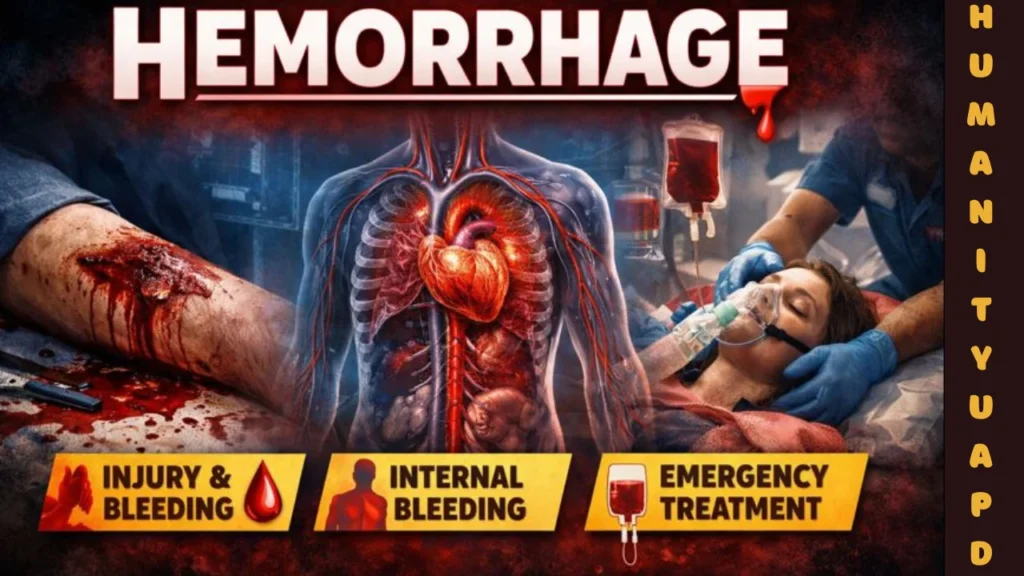
Hemorrhage
Hemorrhage refers to the loss of blood from the circulatory system, which can occur externally or internally within the body. It can arise from various causes, including injury, disease, or the rupture of blood vessels. Understanding hemorrhage is crucial for diagnosing and managing conditions associated with significant blood loss.
There are two primary types of hemorrhage: external and internal. External hemorrhage, often visible, occurs when blood escapes the body through a break in the skin, such as cuts or wounds. Internal hemorrhage, on the other hand, takes place within the body and can be more challenging to detect, often resulting from trauma, surgical complications, or underlying medical conditions that weaken blood vessels.
The physiological processes involved in hemorrhage are complex. When a blood vessel is injured, the body initiates a cascade of hemostatic responses. Vasoconstriction occurs immediately to reduce blood flow to the damaged area. Subsequently, platelets adhere to the exposed collagen fibers, forming a temporary plug. This is followed by the clotting cascade, a series of biochemical reactions that culminate in the formation of a fibrin clot, which stabilizes the platelet aggregation and seals the wound.
Moreover, the volume of blood lost during hemorrhage can significantly impact the body’s physiological functions. A loss of approximately 15% of total blood volume may lead to mild symptoms, such as increased heart rate and slight weakness. However, more significant losses can result in severe consequences, including shock, which can be life-threatening without prompt medical intervention. Therefore, understanding the mechanisms and types of hemorrhage can aid in effective diagnosis and treatment.
👉 Table of Contents 👇
Anatomy of the Circulatory System
The human circulatory system, a complex network essential for sustaining life, consists primarily of the heart, blood vessels, and blood. It plays a crucial role in transporting nutrients, oxygen, and hormones to cells while removing waste products. Understanding this intricate system is vital, especially when considering conditions like hemorrhage, where blood loss significantly impacts physiological functions.
The heart, a muscular organ located in the thoracic cavity, functions as the central pump of the circulatory system. It has four chambers: the left and right atria, and the left and right ventricles. Blood flow initiates in the right atrium, where deoxygenated blood enters from the body. This blood is then propelled to the lungs via the right ventricle, where it undergoes oxygenation before returning to the left atrium. The left ventricle pumps oxygen-rich blood to the aorta, distributing it throughout the body through systemic circulation.
The blood vessels, categorized into three main types—arteries, veins, and capillaries—are integral to circulation. Arteries transport oxygenated blood away from the heart under high pressure, while veins return deoxygenated blood back to the heart at a lower pressure. Capillaries, the smallest blood vessels, facilitate the exchange of gases, nutrients, and waste between blood and tissues at the cellular level. During a hemorrhage, the loss of blood from these vessels adversely affects perfusion, leading to reduced oxygen delivery to vital organs.
Blood is composed of red blood cells, white blood cells, platelets, and plasma. Each component plays a distinct role, particularly during hemorrhagic events. Red blood cells are responsible for oxygen transport, while platelets initiate clotting processes to mitigate blood loss. The body’s ability to manage fluid balance and respond to significant blood loss is crucial, highlighting the importance of the circulatory system in maintaining homeostasis and responding to hemorrhagic episodes.
Causes of Hemorrhage
Hemorrhage, or blood loss, can occur due to various reasons, ranging from traumatic incidents to specific medical conditions. Understanding these causes can enhance our comprehension of the body’s response to blood loss and its subsequent impact on blood volume.
One of the most common triggers of hemorrhage is trauma, which can result from accidents, falls, or violent actions. Such events often lead to injuries that damage blood vessels, resulting in external or internal bleeding. For instance, a penetrating injury can sever arteries and veins, causing significant blood loss that the body may struggle to compensate for, depending on the injury’s severity. Prompt medical attention is crucial in these cases to control bleeding and restore blood volume.
Surgical procedures can also be a source of hemorrhage. Certain operations, such as those involving major organs or extensive tissue manipulation, carry a risk of excessive blood loss. Surgeons employ various methods to minimize this risk, including the use of cauterization and ligation to seal blood vessels during surgery. However, despite preventive measures, complications can arise, leading to postoperative hemorrhage.
On the medical front, conditions like hemophilia—a genetic disorder affecting blood clotting—can predispose individuals to spontaneous bleeding episodes. Individuals with hemophilia lack certain clotting factors, which impairs the body’s ability to stop bleeding. Similarly, aneurysms, defined as abnormal bulges in blood vessels, can rupture unexpectedly, leading to rapid blood loss and requiring immediate medical intervention. These conditions illustrate how underlying health issues can affect the body’s capability to maintain blood volume and highlight the importance of monitoring and managing their impact on health.

Symptoms and Signs of Hemorrhage
Identifying the symptoms and signs of hemorrhage is critical for prompt medical intervention, as blood loss can lead to severe complications if not addressed quickly. Hemorrhage can manifest externally or internally, with varying symptoms based on the severity and location of the blood loss.
One of the most noticeable signs of hemorrhage is the presence of blood, which may appear in various forms, such as visible bleeding from a wound or in bodily fluids, including urine or vomit. This external bleeding often serves as the first alert that an individual may be experiencing a hemorrhagic event. Internally, however, the signs may be less obvious, requiring careful observation of physiological changes.
A significant decrease in blood volume is often accompanied by a drop in blood pressure, a crucial physiological indicator of hemorrhage. Hypotension occurs when the heart struggles to maintain adequate blood flow, resulting in pallor and potentially fainting. Tachycardia, or an increased heart rate, is another compensatory response, as the body attempts to circulate the remaining blood more effectively.
Additional signs of hemorrhage include cold, clammy skin, weakness, and dizziness. In more severe cases, confusion or altered mental status may occur due to reduced perfusion to the brain. Furthermore, hemorrhage can lead to hypovolemic shock, a life-threatening condition characterized by excessive blood loss and a dramatic decline in circulation.
Other symptoms can involve specific areas of the body, such as gastrointestinal bleeding, where individuals may experience black or tarry stools, or hemoptysis, indicating blood in the sputum. Prompt recognition of these symptoms is vital; therefore, individuals and caregivers should remain vigilant for any signs of significant blood loss.
The Body’s Response to Blood Loss
When the human body experiences blood loss, it initiates a series of complex physiological responses designed to preserve life and maintain homeostasis. This multifaceted approach includes clotting mechanisms, vasoconstriction, and the release of specific hormones. Understanding these responses is crucial in comprehending how the body navigates through hemorrhage.
Initially, blood loss triggers the coagulation cascade, a process that forms a stable blood clot to seal the injury and prevent further hemorrhage. Platelets, which are crucial components of this system, adhere to the exposed tissue and aggregate to form a temporary plug. Following this, clotting factors in the plasma precipitate a series of reactions that culminate in the conversion of fibrinogen to fibrin, reinforcing the clot and providing a more permanent solution to the blood loss.
Concurrently, the body employs vasoconstriction, a process whereby blood vessels narrow to reduce blood flow to the affected area. This response not only minimizes blood loss but also maintains blood pressure and directs perfusion to vital organs. The autonomic nervous system plays a key role in this response, particularly through the release of catecholamines, which stimulate vasoconstriction and elevate heart rate.
Additionally, hormonal responses are critical in managing blood loss. The adrenal glands release hormones such as adrenaline and cortisol, which enhance the cardiovascular response and facilitate increased heart contractility. This helps elevate blood pressure and ensure that oxygen and nutrients continue to reach essential organs despite the existing deficiency in blood volume. Other hormones, like erythropoietin, signal the bone marrow to produce more red blood cells over time, compensating for the lost blood.
These intricate compensatory mechanisms collectively ensure that the body can withstand the initial stages of hemorrhage, highlighting its resilience in the face of injury. The ability to respond effectively to blood loss showcases the body’s remarkable adaptive capabilities.
👉 Access Denied errors on government websites
Treatment and Management of Hemorrhage
Effective treatment and management of hemorrhage are critical in preventing severe blood loss and ensuring patient survival. The initial response to hemorrhage often falls under first aid, where immediate actions can stabilize the situation. This may include applying direct pressure to the wound, elevating the affected area, and using bandages or dressings to minimize blood loss. In cases of external bleeding, a tourniquet may be applied, particularly in limb injuries, to significantly reduce blood flow to the area.
For healthcare professionals in emergency settings, the management of hemorrhage progresses rapidly based on the severity and type of blood loss. After initial first aid measures, a thorough assessment is often conducted, including identifying the source of bleeding. In cases of massive hemorrhage, intravenous (IV) fluids and blood transfusions may be necessary to restore blood volume and maintain circulation. These interventions are essential for stabilizing patients before further treatment can be implemented.
Surgical interventions may be required for more serious injuries, especially when internal bleeding is suspected. Procedures may involve repairing blood vessels, organ injuries, or addressing any underlying causes of hemorrhage. Examples include exploratory laparotomy in cases of abdominal bleeding or thoracotomy for chest injuries. Additionally, advanced techniques like embolization can be used to selectively occlude blood vessels, thus controlling bleeding without the need for invasive surgery.
Pharmacological treatments also play a crucial role in the management of hemorrhage. Agents such as antifibrinolytics can be administered to enhance clot formation, especially in cases of trauma or surgical procedures. Similarly, newer therapies involving clotting factors may be employed to support patients with coagulopathies. Overall, the comprehensive treatment of hemorrhage requires a multidisciplinary approach, integrating first aid strategies, surgical expertise, and pharmacological interventions tailored to individual cases for optimal patient outcomes.
Potential Complications of Severe Hemorrhage
Severe hemorrhage, defined as a significant loss of blood volume, can lead to a range of serious complications that dramatically affect a patient’s health and survival. One of the most immediate risks associated with severe blood loss is the onset of shock. This occurs when the body’s organs do not receive enough blood flow and, consequently, oxygen. Patients in shock may exhibit symptoms such as rapid heartbeat, shallow breathing, confusion, and a drop in blood pressure, all of which require urgent medical attention.
As blood loss continues and compensatory mechanisms become overwhelmed, organ failure can ensue. The liver, kidneys, and heart are particularly vulnerable to ischemic injuries due to inadequate perfusion. For instance, acute kidney injury is a common consequence of severe hemorrhage because the kidneys require a consistent supply of blood to function properly. The failure of multiple organs can lead to a critical condition known as multiple organ dysfunction syndrome (MODS), which increases mortality rates significantly.
If left untreated, severe hemorrhage has a high potential to result in death. Rapid assessment and intervention are vital; thus, understanding the importance of timely treatment cannot be overstated. Clinicians must act quickly to stabilize the patient, restore blood volume, and monitor vital signs closely. Fluid resuscitation, the administration of blood transfusions, and addressing the source of bleeding are essential strategies to mitigate the risks associated with severe blood loss.
In conclusion, the complications resulting from severe hemorrhage highlight the urgent need for swift medical intervention. Recognition of the signs and symptoms of shock, along with proactive treatment measures, can prove life-saving in critical situations involving substantial blood loss. The importance of timely action by healthcare professionals is crucial to preventing complications such as organ failure and death in patients experiencing severe hemorrhage.

Preventative Measures and Safety Tips
Preventing hemorrhage is paramount in mitigating the risks associated with excessive blood loss, especially in environments where injuries are likely to occur. Understanding the potential risk factors and implementing appropriate safety measures can significantly decrease the likelihood of bleeding complications. A comprehensive approach to safety should include the regular use of personal protective gear, education on environmental hazards, and ongoing awareness of pre-existing medical conditions that may increase bleeding susceptibility.
In professions or activities where physical injuries are prevalent, such as construction, sports, or emergency services, adequate protective gear should be worn at all times. This includes helmets, gloves, and pads that are specifically designed to absorb impacts and minimize injury. Regular training on the proper use of this equipment can enhance its effectiveness in preventing injuries that could lead to hemorrhage.
Additionally, awareness and education play a central role in prevention. Individuals should be informed about their surroundings and potential safety hazards. For instance, slipping or falling in a work zone can lead to severe injuries that result in hemorrhage. Training on safe practices, such as maintaining clean and organized workspaces, could greatly reduce such risks.
Furthermore, individuals with certain medical conditions, such as clotting disorders, should consult healthcare professionals for personalized advice on managing their health risks. Understanding your own health and how it can affect your bleeding risk is crucial. Medical consultations can lead to the implementation of actions that minimize the chances of hemorrhage due to underlying conditions.
In summary, a proactive approach that integrates protective gear usage, education on safety, and awareness of health conditions can significantly contribute to the prevention of hemorrhage and safety in various environments.
👉 personal freedom in decision-making
Frequently Asked Questions (FAQs)
Understanding hemorrhage and its implications can often lead to confusion due to the complexities surrounding blood loss. Here, we address some of the most common questions to shed light on this critical medical issue.
What is Hemorrhage?
Hemorrhage refers to the loss of blood, either internally or externally, from the circulatory system. This condition can arise from trauma, surgical procedures, or various medical conditions that disrupt the integrity of blood vessels.
What are the different types of hemorrhage?
Hemorrhages are categorized into two main types: external and internal. External hemorrhage occurs when blood exits the body due to an open wound. In contrast, internal hemorrhage is bleeding within the body that can be caused by injuries, medical conditions, or complications from surgeries. It may not be immediately visible, making it more challenging to diagnose.
What are the symptoms of significant hemorrhage?
Symptoms of significant blood loss can vary, but common indicators include weakness, dizziness, pallor, rapid heart rate, and in severe cases, loss of consciousness. Detecting these symptoms promptly is crucial to ensure timely medical intervention.
How is hemorrhage treated?
Treatment for hemorrhage depends on its severity and source. Minor external bleeding may be managed through direct pressure and bandaging, while severe cases, especially internal hemorrhages, may require surgical intervention. It is essential to monitor blood loss closely and provide supportive care, including fluid resuscitation where indicated.
Are there misconceptions about blood loss?
Yes, several misconceptions exist regarding hemorrhage. A common myth is that all blood loss must be visible, while, in reality, internal bleeding can occur without any external signs. Another misconception is that any amount of bleeding is dangerous, but mild bleeding can often be managed effectively.

Share this:

Discover more from HUMANITYUAPD
Subscribe to get the latest posts sent to your email.