
Denmark and Greenland: 7 Powerful Facts Revealed
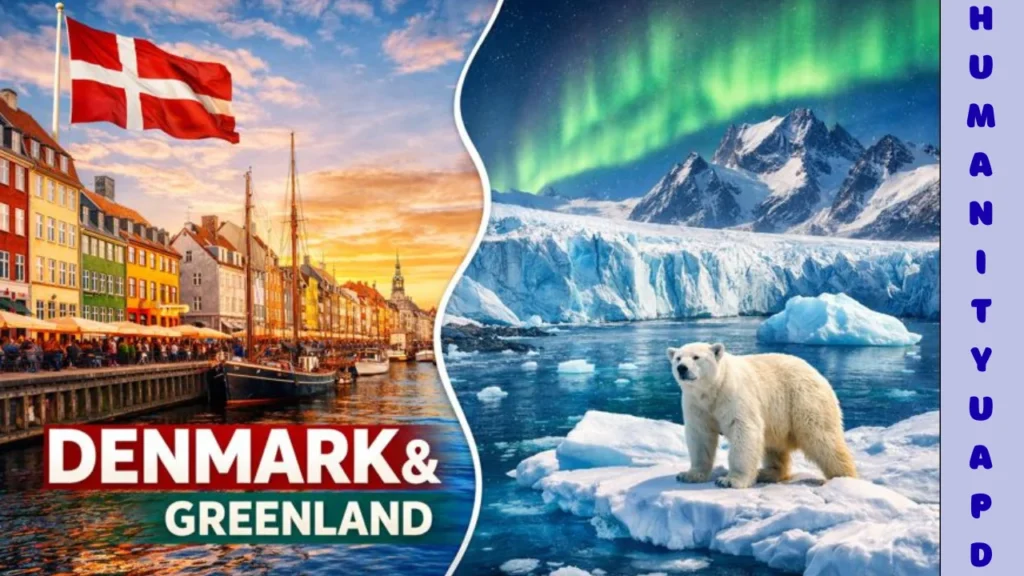
Denmark and Greenland
Denmark and Greenland, while separated by vast stretches of the North Atlantic Ocean, share a deep-rooted historical and political connection. Denmark, a Scandinavian country located south of Norway and southwest of Sweden, consists of the Jutland Peninsula and numerous islands, including Zealand and Funen. In contrast, Greenland, the world’s largest island, is situated to the northeast of Canada and is an autonomous territory within the Kingdom of Denmark. Spanning an area of approximately 2.166 million square kilometers, Greenland’s massive ice sheets and rugged landscapes provide a stark contrast to Denmark’s more temperate climate and urban landscapes.
The importance of both regions can be understood through various lenses, including cultural, economic, and geopolitical perspectives. Denmark possesses a robust economy, characterized by advanced industries including pharmaceuticals, maritime shipping, and renewable energy. Greenland, while rich in natural resources such as mineral deposits and fisheries, maintains a more fragile economy that is heavily dependent on fishing and subsidies from Denmark.
The historical ties between Denmark and Greenland date back to the 18th century when Danish explorers began to establish settlements. The political relationship persisted through changing dynamics, with Greenland obtaining home rule in 1979, followed by the self-rule act in 2009, which granted it increased autonomy. Despite this, Denmark continues to play a vital role in Greenland’s governance and international affairs.
Culturally, the two regions exhibit a fascinating blend of influences that reflect their interconnected past. Greenland’s Inuit heritage, showcased in its languages, crafts, and traditions, is complemented by Danish culture, which is evident in education, food, and modern lifestyle choices. This rich tapestry illustrates how Denmark and Greenland are distinct yet intrinsically linked, both today and in their shared history.
👉 Table of Contents 👇
Geographical Features and Climate
Denmark and Greenland, despite being part of the Kingdom of Denmark, showcase markedly different geographical features and climates that significantly influence their respective ecosystems and human activities. Denmark, located in northern Europe, comprises the Jutland Peninsula and numerous islands, including Zealand and Funen. This flat landscape is characterized by rolling hills, sandy beaches, and farmland, providing an idyllic setting for agriculture and urban development. Conversely, Greenland, the world’s largest island, is dominated by colossal ice sheets and rugged mountains, creating a striking contrast to Denmark’s low-lying terrain. The Greenland Ice Sheet covers approximately 80% of the island, with vast glaciers flowing toward fjords, while its mountainous regions are ideal for adventure tourism and scientific research.
The climate in Denmark is classified as temperate, experiencing four distinct seasons with mild summers and cool winters. This climate is influenced by the North Atlantic Current, which helps moderate temperatures, allowing for diverse flora and fauna as well as bustling agricultural practices. Rainfall is distributed throughout the year, contributing to the lush landscapes that characterize the Danish countryside.
In contrast, Greenland is marked by its polar climate, characterized by prolonged winters and short, cool summers. This extreme climate results in minimal vegetation, predominantly featuring tundra in the southern regions and permanent ice in northern areas. The coastal areas are often exposed to high winds and rapidly changing weather conditions. The polar climate also significantly shapes the indigenous way of life, influencing traditional hunting practices and community structures. Understanding the geographical features and climatic conditions of both Denmark and Greenland is crucial for recognizing the unique challenges and opportunities present in these regions.
Biodiversity and Ecosystems
Denmark and Greenland present a unique tapestry of biodiversity across their varied ecosystems. In Denmark, the landscape is characterized by coastal areas, forests, and agricultural lands, which together support a rich diversity of flora and fauna. Key species include the European bison, grey seal, and a range of bird species such as the corncrake and various migratory waders. The marine ecosystem surrounding Denmark is equally vibrant, home to cod, herring, and the important Nordic shrimp.
Conversely, Greenland’s starkly different environment, dominated by its Arctic tundra and glaciers, hosts a specialized array of wildlife. Iconic species such as the polar bear, reindeer, and musk ox roam these rugged terrains. Uniquely adapted flora like the Arctic willow and various lichens thrive in the harsh conditions. The rich marine life around Greenland features a diverse range of species, including narwhals and orcas, which depend on the ice-covered waters for their survival.
Conservation efforts in both regions aim to protect these critical ecosystems from the multifaceted threats posed by climate change. In Denmark, initiatives focusing on habitat restoration and sustainable practices seek to promote biodiversity while balancing the needs of agriculture and urban development. The government collaborates with environmental organizations to establish protected areas and wildlife reserves.
In Greenland, the challenges are amplified due to the rapid melting of ice and changing temperatures, which directly impact both terrestrial and marine ecosystems. Conservation strategies often involve monitoring biodiversity and implementing policies designed to mitigate the effects of climate change on fragile habitats. Research efforts at universities and institutions aim to understand species’ adaptations, providing essential data for future protection measures.

Cultural Heritage and Society
Denmark and Greenland, though geographically and culturally distinct, share a rich tapestry of heritage and societal dynamics that reflect both their historical roots and contemporary influences. In Denmark, traditional practices rooted in Viking history have generally blended with modern European values, creating a unique social fabric. The country’s emphasis on hygge, the Danish concept of coziness and contentment, is a salient feature of everyday life and social interactions, fostering community connections.
Conversely, Greenland’s cultural heritage is profoundly influenced by its Inuit roots. The traditional practices include distinct art forms such as carving, weaving, and drumming, which are integral to community identity and continuity. Greenlandic society is characterized by a deep respect for nature, demonstrated through hunting and fishing practices that have sustained the population for thousands of years. The use of the Greenlandic language, Kalaallisut, serves as a key component of cultural pride and identity amidst the pressures of globalization.
As globalization affects both regions, contemporary societal issues continue to emerge. In Denmark, the infusion of multicultural influences has sparked debates about integration and national identity. The growing immigrant population urges a re-examination of traditional values and social policies, highlighting the tensions between maintaining heritage and embracing diversity. In Greenland, globalization poses challenges such as the encroachment of modern industries, which threaten to alter traditional lifestyles and disrupt community cohesion.
Furthermore, the interplay between local and global perspectives deeply impacts the youth in both areas. As young Danes and Greenlanders navigate the complexities of their identities, they are compelled to reconcile traditional cultural values with the modern world’s demands. This ongoing cultural negotiation plays a vital role in shaping future societal dynamics.
Economy and Resources
The economies of Denmark and Greenland exhibit distinct characteristics shaped by their geography, available resources, and societal structures. Denmark’s economy is one of the most robust in Europe, characterized by a high standard of living and a diverse industrial base. The nation’s economic activities are driven primarily by manufacturing, services, and agriculture, with an increasing emphasis on sustainability and green technologies. Key sectors contributing significantly to Denmark’s GDP include pharmaceuticals, maritime shipping, and information technology.
Meanwhile, Greenland’s economy is relatively smaller and heavily reliant on its natural resources. Fishing remains the cornerstone of Greenland’s economic landscape, providing employment opportunities and contributing significantly to exports. The fishing industry, particularly the harvesting of shrimp, halibut, and other seafood, forms the backbone of Greenland’s international trade. As global demand for sustainable seafood increases, Greenland capitalizes on its clean waters and fish stocks through sustainable fishing practices.
Tourism is another growing sector in both Denmark and Greenland, driven by their unique cultures, landscapes, and natural attractions. Denmark attracts visitors with its rich history, architecture, and vibrant cities, while Greenland showcases stunning glaciers, the Northern Lights, and opportunities for outdoor adventures, drawing nature enthusiasts and adventure seekers alike.
Renewable energy has emerged as a pivotal element in both regions, with Denmark leading the way in wind energy production and sustainability initiatives. The Danish government has set ambitious targets for reducing carbon emissions and increasing reliance on renewable sources by promoting investment in solar and wind technologies. Greenland, on the other hand, is exploring its potential in hydropower and wind energy, tapping into its vast natural resources while preserving its pristine environment.
Overall, the sustainable management of natural resources in Denmark and Greenland plays a critical role in their economies, ensuring that the present needs are met without compromising the ability of future generations to meet theirs. This approach not only fosters economic growth but also aligns with global sustainability goals, highlighting the importance of preserving natural capital in an ever-changing world.
Political Structure and Governance
The political structure of Denmark is characterized by a well-established parliamentary democracy, with a constitutional monarchy. The monarch, currently Queen Margrethe II, serves as the ceremonial head of state, whereas the Prime Minister, heading the government and the Folketing (the Danish Parliament), exercises actual political power. The Folketing consists of 179 members elected every four years, where proportional representation forms the basis for electing representatives, ensuring a diverse political landscape.
Greenland, an autonomous territory of the Kingdom of Denmark, operates under the Self-Government Act implemented in 2009. This act provides Greenland greater autonomy, including control over its internal affairs and the management of natural resources. However, Denmark retains authority over foreign policy, defense, and monetary matters. The Greenlandic Parliament, known as Inatsisartut, is responsible for legislative actions, while the Naalakkersuisut, or the Greenlandic government, executes these laws and policies. Representation from Greenland in the Danish Parliament allows for a voice in national affairs, albeit within a limited scope.
The relationship between Denmark and Greenland is quite significant, especially regarding their interactions with the European Union (EU). Although Denmark is an EU member state, Greenland opted to leave in 1985 following a referendum, resulting in a unique position concerning EU regulations and policies. This departure has implications for trade, fisheries, and environmental management, distinguishing Greenland’s governance from that of Denmark. The collaboration continues through joint agreements, particularly in areas concerning environmental protection, economic development, and cultural exchanges.
Overall, the political structures in both Denmark and Greenland reflect a blend of local autonomy and overarching national governance, influencing numerous sectors, including education, healthcare, and resource management. The dynamics of this relationship underscore the evolution of governance in Nordic regions, highlighting the balance between independence and integration within a broader political framework.
Impact of Climate Change
The phenomenon of climate change poses significant challenges to both Denmark and Greenland, leading to profound environmental and socio-economic consequences. In Greenland, the most visible impact is the accelerated melting of glaciers. Research indicates that the Greenland Ice Sheet is losing mass at an alarming rate, largely due to rising temperatures caused by global warming. This melting contributes substantially to global sea-level rise, which is a pressing concern for coastal regions not only in Greenland but also in Denmark.
Denmark is experiencing the repercussions of this rising sea level with increasing frequency and intensity. The country’s low-lying coastal zones are becoming more vulnerable to flooding and storm surges, exacerbating risks for urban areas, infrastructure, and ecosystems. Efforts are being made to address these impacts, including the development and implementation of comprehensive coastal protection strategies. These include the construction of sea walls, improving drainage systems, and investing in sustainable urban development.
The interplay of climate change challenges necessitates proactive measures in both regions. Scientists and policymakers are collaborating to mitigate the effects of climate change through various initiatives such as renewable energy projects, increased energy efficiency, and public awareness campaigns. In Greenland, there are concerted efforts to adapt to the changing landscape, including researching alternative livelihoods for communities that traditionally rely on ice-dependent activities.
Moreover, international cooperation is crucial for addressing the impacts of climate change effectively. Denmark and Greenland are engaging in dialogues with other nations to share knowledge and resources aimed at overcoming these challenges. The need to preserve and protect the unique ecosystems of the Arctic, while adapting to climatic shifts, remains a priority for stakeholders in both regions.

Tourism and Exploration
Denmark and Greenland, each with their unique charms, offer diverse experiences for tourists. Denmark, known for its vibrant cities and rich history, presents popular destinations such as Copenhagen, Aarhus, and Odense. In Copenhagen, visitors can explore iconic landmarks like the Tivoli Gardens and the Little Mermaid statue, while Aarhus boasts the fascinating Aros Aarhus Art Museum. For travelers keen on historical experiences, the charm of Odense, the birthplace of Hans Christian Andersen, is a must-see.
On the other hand, Greenland, with its stunning landscapes and dramatic vistas, appeals to adventure seekers and nature enthusiasts. Popular activities include hiking, dog sledding, and witnessing the mesmerizing Northern Lights. Key locations include Ilulissat Icefjord, a UNESCO World Heritage site recognized for its striking glacier scenery, and Nuuk, the capital city offering a blend of cultural experiences and modern conveniences.
Traveling to these destinations requires careful planning and an understanding of local customs and environmental considerations. Tourists are encouraged to embrace sustainable tourism practices, aiming to minimize their environmental impact while exploring Denmark and Greenland’s natural and cultural heritage. Travelers should consider off-peak seasons for visits, using sustainable transportation options and supporting local businesses to ensure that their adventures contribute positively to the communities they visit.
The importance of responsible tourism cannot be overstated, particularly in Greenland, where the environmental impact of tourism is a significant concern. Adopting eco-friendly practices, such as reducing plastic waste and respecting wildlife habitats, is essential for preserving the beauty of these regions for future generations. Ultimately, a responsible approach to tourism not only enhances the visitor experience but also safeguards the rich cultural and natural legacies of both Denmark and Greenland.
FAQs about Denmark and Greenland
Denmark and Greenland, while both geographically linked as parts of the Kingdom of Denmark, present distinct cultures, histories, and environments that often spark curiosity among potential travelers and scholars alike. Below are some frequently asked questions that address various aspects of these remarkable locations.
What is the best time to visit Denmark and Greenland?
Travelers typically find that the summer months of June to August are the most favorable for visiting both Denmark and Greenland. In Denmark, this period offers pleasant weather and numerous outdoor festivals. Conversely, Greenland experiences its peak tourism season then, allowing visitors to enjoy activities like hiking, kayaking, and experiencing the midnight sun.
What languages are spoken?
In Denmark, the official language is Danish, and it is widely understood by the populace. Many Danes are fluent in English, making communication easier for international visitors. In Greenland, the primary language is Greenlandic (Kalaallisut), while Danish and English are also commonly spoken. Understanding these linguistic nuances can enhance interactions and experiences within both regions.
How is the public transportation system?
Denmark boasts a well-developed public transportation system that includes trains, buses, and metros, facilitating easy travel between cities like Copenhagen and Aarhus. In Greenland, the transportation network is more limited due to the vast and rugged terrain; air travel is often the primary means of moving between settlements. Being informed about these systems ensures a smoother travel experience.
What cultural experiences should visitors not miss?
In Denmark, visitors should explore vibrant cities, museums, and historical sites, such as Tivoli Gardens and the Nyhavn waterfront. In Greenland, cultural highlights include traditional Inuit art, the spectacular Northern Lights, and learning about the indigenous communities. Participating in local customs provides a deeper appreciation of the rich cultural heritage in both regions.
By addressing common inquiries regarding travel, language, transportation, and culture, potential visitors can gain valuable insights that foster a greater understanding of Denmark and Greenland. Proper preparation can lead to a more rewarding experience in these unique destinations.

Share this:

Discover more from HUMANITYUAPD
Subscribe to get the latest posts sent to your email.